
Blog
Amy Laura Bargiel: The Dancer Who Built a Life With Desi Arnaz Jr.

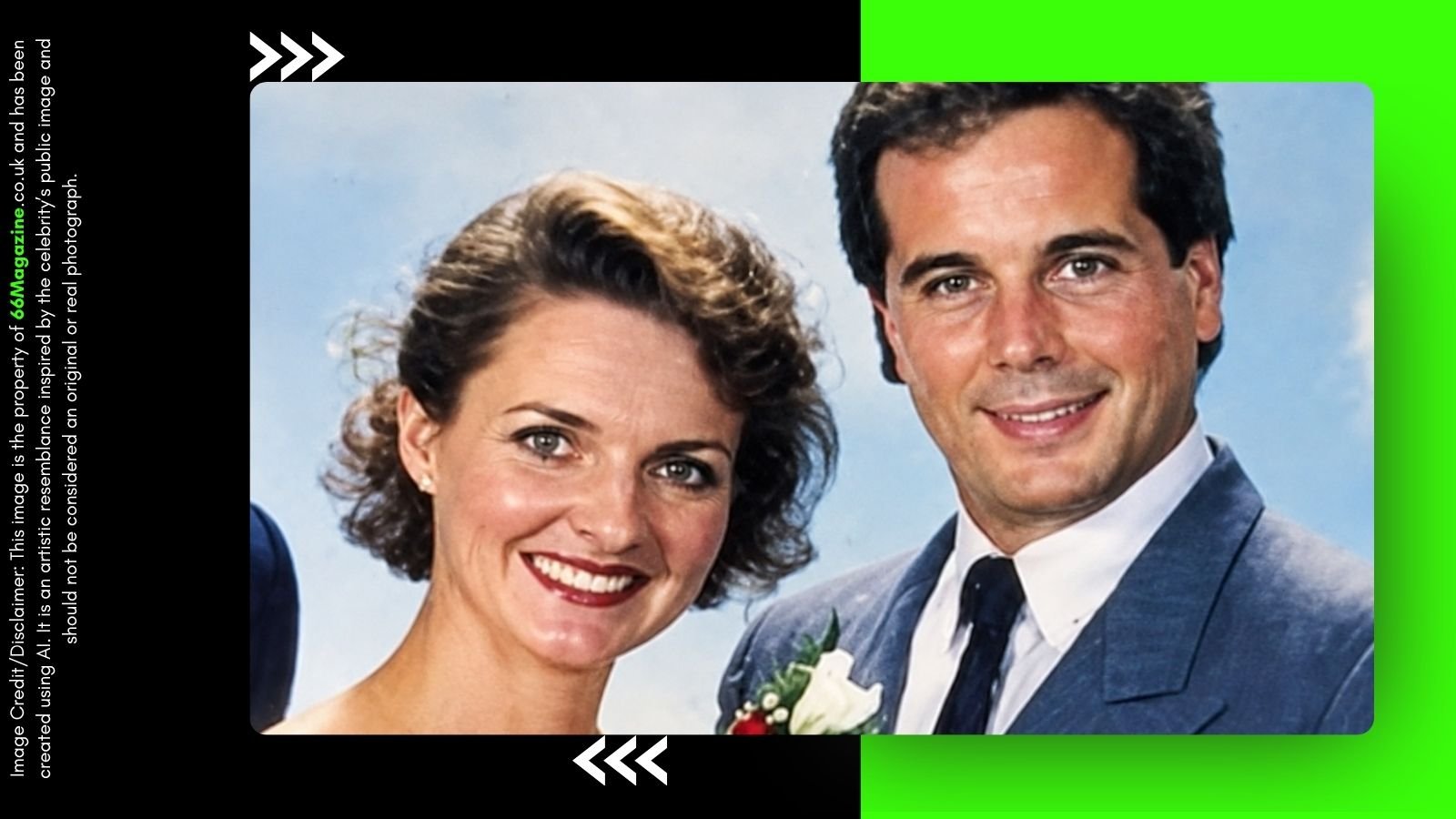
Amy Laura Bargiel lived much of her life away from Hollywood’s center. Many readers know Amy Laura Bargiel as Desi Arnaz Jr.’s wife, but she also built a name as a dancer, teacher, and arts leader. Her work helped many children in Boulder City learn and enjoy dance.
She married Desi in 1987. He was the son of Lucille Ball and Desi Arnaz, so their family drew public interest. Yet Amy’s story did not depend only on marriage. It included years of training, teaching, local work, and a strong bond with dance.
This biography looks at Amy’s identity, birth, family, studies, career, and early life in Nevada. It also explains how dance shaped her choices before her relationship with Desi became widely known. Her story shows how a private person can build a lasting place in a small community.
Who Was Amy Laura Bargiel?
Amy Laura Bargiel was a dancer, dance teacher, and arts leader. She spent many years teaching children and adults in Nevada. Her work focused on ballet, tap, jazz, and exercise classes.
She later became known by the married name Amy Arnaz. Her husband was actor and musician Desi Arnaz Jr. Their marriage connected her to one of America’s most famous television families.
Still, Amy had her own work and goals. She did not simply live beside a famous husband. She ran a dance studio, trained young performers, and helped build local arts programs.
People in Boulder City remembered her as “Miss Amy.” Students and parents knew her for her warm smile and kind manner. Many families saw her as more than a teacher. They saw her as a trusted part of their community.
Where Was Amy Laura Bargiel Born?
Amy Laura Bargiel was born on September 12, 1951, in Chicago, Illinois. Her parents were Charles Bargiel and Libby Kral Bargiel. Public records and her obituary list Chicago as her birthplace.
She spent only her early years there. A 1979 newspaper report said her family moved to Los Angeles when she was two years old. The family later lived in Las Vegas, Nevada.
Her childhood therefore included more than one city. Chicago marked her beginning, while California and Nevada shaped her early years. Las Vegas became especially important as she grew older.
The public record does not give many details about her earliest childhood. It does show that dance became important to her at a young age. That interest later became her work and her way of serving others.
What Was Amy Laura Bargiel’s Family Like?
Amy was born into the Bargiel family. Her parents, Charles and Libby, raised her during a time when her family moved between states. Details about their jobs and private life are not widely documented.
Amy had at least two siblings, Tom Bargiel and Lisa Bargiel. Her sister Lisa later spoke about Amy’s personality and childhood. She remembered Amy as lively, friendly, and deeply connected to dance.
Lisa also said she could not remember a time when Amy was not dancing. That memory gives a simple picture of Amy’s early passion. Dance was not a short hobby for her. It stayed with her for life.
Amy’s family remained part of her story as she became known in Nevada. Her sister and brother were named among her surviving relatives after her death. A niece, Desiree Bargiel, was also listed in the family notice.
How Did Amy Laura Bargiel Grow Up?
Amy grew up mainly in Las Vegas. She attended Valley High School, where she became known for her bright personality. She was a cheerleader and graduated in 1969.
Her sister later recalled that Amy even won a smiling contest in high school. The story fits the way local people remembered her many years later. Friends and students often spoke about her smile and open nature.
Her school years also showed her interest in performance. Cheerleading gave her a place to move, perform, and work with others. Dance soon became the stronger part of her life.
Amy’s upbringing did not happen in the public spotlight. She was not raised as a celebrity. Instead, she built her skills through school, practice, and steady training.
That background helped her understand young students. She knew that children needed support before they could feel confident on stage. Her teaching style later reflected that belief.
Where Did Amy Laura Bargiel Study Dance?
Amy began her ballet training at age seven. She studied under English ballerina Christina Carson. Starting so young gave her many years to build strong skills.
After high school, she attended San Diego State University. During that time, she also danced with the San Diego Ballet Company. College gave her a chance to continue both her education and her performance training.
Amy later traveled to New York to study at the Joffrey school. The program exposed her to serious ballet training and a wider dance world. New York also gave her contact with teachers and styles beyond Nevada.
After returning west, Amy joined Sulich’s Nevada Dance Theater. This step connected her with the professional dance community in her home region. It also helped prepare her for her later work as a teacher.
Her training covered more than stage performance. She learned how dancers build control, balance, timing, and discipline. These lessons later helped her guide students of different ages.
What Did Amy Laura Bargiel Do for Work?
Amy worked mainly as a dance teacher and studio owner. In 1979, she purchased Dance Etc. in Boulder City. She used the studio to teach several forms of dance.
Her classes included ballet, tap, jazz, and exercise. These styles served students with different goals. Some wanted stage training, while others simply wanted movement and fitness.
Amy’s role required more than teaching steps. She had to plan classes, manage a studio, and work with parents. She also helped students prepare for public performances.
Her studio became a familiar place for local families. Children returned each year and grew under her care. Parents trusted her with lessons, rehearsals, and recital work.
She also welcomed guest instructors and special workshops. These activities allowed students to see different teaching styles. They gave young dancers more chances to learn.
Amy’s work made dance available in a small Nevada town. Students did not need to move to a large city for basic training. They could learn close to home.
How Did Amy Laura Bargiel Build Her Dance Career?
Amy built her career through steady work rather than sudden fame. She trained for years, performed with dance groups, and then created a place where others could learn.
She received training in the Royal Academy of Dancing system. This system uses set methods for teaching ballet. It helped her bring structure and care to her classes.
Amy also held certification from the American Council on Exercise. That training supported her exercise teaching. It showed that her work included health and movement as well as dance.
She continued to train so she could remain active in her field. Her students learned from her experience, but they also saw her keep learning. That example mattered to many young dancers.
In 2006, a member of Congress honored Amy for her service to Boulder City. The recognition described her as the owner and operator of Dance Etc. It also noted her leadership in local ballet work.
Her career reached many people in the area. An obituary later said she taught thousands of people to love dance. Her students included children, teens, and community members.
Why Did Boulder City Matter to Amy?
Amy moved from Las Vegas to Boulder City in 1979. The town sits near Hoover Dam and offered a quieter setting than a major city. It became the place where she built her adult life.
Boulder City also gave her room to grow her dance work. She taught local children and became part of many family traditions. Her studio became linked with recitals, rehearsals, and holiday shows.
Residents remembered her strong connection to the town. Her sister said Amy adored Boulder City and loved its people. She also believed the community gave Amy’s life a clear purpose.
Amy’s influence reached beyond the dance studio. She took part in charity events and local functions. People often remembered how she entered a room with warmth and energy.
Her students felt that care directly. Many said she made them feel special and welcome. She encouraged them to enjoy dance while also working hard.
By the time Amy became linked to Desi Arnaz Jr., she already had a full life in Boulder City. Her career, students, and community ties came first. That foundation shaped the years that followed.
How Did Amy Laura Bargiel Meet Desi Arnaz Jr.?
Amy Laura Bargiel met Desi Arnaz Jr. through his visits to Nevada. Desi first came to the area in 1978 to attend classes led by spiritual teacher Vernon Howard. After his short marriage to actress Linda Purl ended, he returned for more classes.
Those later visits brought him closer to Amy. Their first meeting date is not clearly recorded, but the relationship grew over time. They found a shared interest in spiritual ideas and simple living.
Amy later explained why she liked Desi. She said he cared about the spiritual side of life and respected her work. She also found him down-to-earth and handsome.
Desi had grown up around television stars and public attention. Amy had built her own life through dance. Their different backgrounds did not stop them from forming a close bond.
What Drew Them Toward Each Other?
Their relationship grew away from Hollywood’s busiest circles. Desi had spent much of his early life in the public eye. Amy had focused on teaching, family, and her work in Nevada.
The pair seemed to enjoy a calmer way of living. Desi found meaning in spiritual study after years of personal struggles. Amy also valued faith and personal growth.
Their shared beliefs gave them a strong base. They could speak about life beyond fame and success. This helped their relationship grow in a more private setting.
A 2002 interview showed the couple sitting together during a visit to their theater. Amy stayed close while Desi spoke about his life. Their quiet presence suggested a partnership built on comfort and trust.
They did not need to perform their relationship for the public. Much of their life took place in their Nevada community. That setting allowed Amy to remain connected to the work she loved.
When Did Amy Laura Bargiel Marry Desi Arnaz Jr.?
Amy married Desi Arnaz Jr. on October 8, 1987. The wedding joined two people with very different public backgrounds. Desi was known around the world, while Amy was respected mainly by the people she taught.
Their marriage lasted until Amy’s death in 2015. They shared many years as spouses and worked together on projects in Nevada.
The marriage also brought Amy closer to Desi’s famous family. His parents were major figures in television history. Even so, Amy kept her own name and identity through her work.
She became known as Amy Arnaz after the wedding. In local life, many people still remembered her simply as Miss Amy. Her personal warmth mattered more to them than her connection to Hollywood.
Desi often supported Amy’s goals. He helped with projects that gave her students places to perform. Their partnership joined his interest in theater with her love of dance.
How Did Amy Laura Bargiel Build Family Life?
Amy’s family life included her daughter, Haley Arnaz, from an earlier marriage. After marrying Amy, Desi legally adopted Haley. This made the family bond official.
Haley grew up around dance and theater. Her mother’s work placed her close to rehearsals, recitals, and performers. The family’s home life stayed mostly private.
Desi also had an older daughter, Julia, from a past relationship. Public reports describe a family connected through different relationships and later reunions.
Amy and Desi created a home that mixed family life with the arts. Their theater and dance work often brought people together. Still, their home was not treated like a Hollywood stage.
Amy’s role as a mother mattered as much as her public work. She cared for her daughter while guiding many other young people. Those two parts of her life often existed side by side.
Her family also included the relatives who supported her during illness. They stayed close during her final years. Amy died surrounded by family.
What Did the Couple Create Together?
Amy and Desi worked together on the restoration of the historic Boulder Theatre. They bought the old theater in the late 1990s. The building later became a home for live shows, dance events, and community programs.
The project gave new life to an older local landmark. Desi helped with repairs and improvements. He took pride in making the space useful for Amy’s students.
The theater became more than a place for movies. It hosted ballet performances, holiday shows, music events, and other programs. It also gave residents a place to gather.
Amy helped establish the nonprofit Boulder City Ballet Company in 1997. The company offered young dancers a chance to perform in a real theater. It also helped make ballet part of local life.
Their shared work showed how their skills fit together. Desi understood performance spaces and production. Amy understood dance, students, and teaching.
The theater also allowed Desi to return to music. He later performed there with other musicians. Amy’s dance work and Desi’s shows gave the building a wide purpose.
How Did Amy Laura Bargiel Face Her Illness?
Amy Laura Bargiel faced a serious health battle near the end of her life. In January 2013, she suffered a seizure while waiting for knee surgery. Doctors then found a brain tumor.
She lived with the illness for about two years. During that time, her family and friends stayed close. People in Boulder City continued to remember her with care.
Amy died on January 23, 2015. She was 63 years old. Her obituary said she passed away surrounded by family.
News reports described her death after a two-year battle with cancer. The loss affected many people who had known her through dance, theater, and local events.
Her sister Lisa spoke about Amy’s strong spirit. She remembered her as a woman full of life. Amy’s illness changed her daily life, but it did not erase the love people felt for her.
After her death, flowers appeared outside the theater. Former students and families left cards and ballet slippers. These small acts showed how deeply Amy had touched the town.
What Is Amy Laura Bargiel’s Lasting Legacy?
Amy’s legacy lives through the dancers she taught. Many students first learned stage skills in her classes. Some also gained confidence through performances at the theater.
Local residents remembered her kindness as much as her dance training. She welcomed children and made families feel comfortable. Her teaching had a personal touch.
The Boulder Theatre remains linked with her name. The building carried her work into the wider community. It became a place where art, music, and local events could meet.
A memorial gathering later honored Amy’s life. The event included images and memories from her years of work. Desi prepared a video showing recitals, family photographs, and moments from her career.
The tribute helped people remember Amy beyond her public title. She was not only Desi’s wife. She was also a teacher, mother, business owner, and friend.
Her story also shows the value of local work. Amy did not need constant media attention to make a difference. She built trust one student and one family at a time.
Final Thoughts on Amy Laura Bargiel
Amy Laura Bargiel lived a life shaped by dance, faith, family, and service. Her marriage brought public interest, but her own work gave her lasting respect.
She spent years helping others find joy through movement. Her students saw her patience and care in every lesson. Her community remembered the kindness behind her professional work.
Amy’s life ended in 2015, but her influence did not end with her death. The people she taught and the places she helped build kept her memory alive.
Who was Amy Arnaz?
Amy Arnaz was a dancer, dance teacher, and arts leader. She was also the wife of Desi Arnaz Jr. Her work centered on teaching dance and supporting local performances.
When did Amy Arnaz marry Desi Arnaz Jr.?
Amy Arnaz married Desi Arnaz Jr. on October 8, 1987. They remained married until her death in January 2015.
Was Amy Arnaz a professional dancer?
Yes, Amy trained in ballet from childhood and performed with dance groups. She later became a dance teacher and studio owner.
Did Desi Arnaz Jr. adopt Amy’s daughter?
Yes, Desi legally adopted Haley, Amy’s daughter from an earlier marriage. Haley became part of their family after the wedding.
What happened to Amy Arnaz?
Amy died on January 23, 2015, at age 63. She had lived with a brain tumor and cancer for about two years.

McDonald’s is bringing new drinks, sweet treats, and special meals for the 2026 holiday season. The menu includes cranberry drinks, cookie butter coffee, Holiday Pie, and the McRib. A special Grinch Meal is also part of the holiday lineup.
I think the McDonald’s new holiday menu items offer a good mix of sweet and savory flavors. Some items arrive in early November, while others return later. Here is what I know about the new menu, launch dates, and limited-time offers.
What’s New on McDonald’s Holiday Menu in 2026?
McDonald’s is adding five new holiday drinks on November 3, 2026. These include two cranberry drinks and three cookie butter drinks. Customers can choose hot coffee, iced coffee, frozen drinks, or fruity options.
I like that the menu has both warm and cold drinks. The cranberry flavors sound fresh, while cookie butter adds a sweet, spiced taste.
The Holiday Pie and McRib are also coming back. The Grinch Meal adds a special food option with seasoned fries and collectible socks. These items are part of the U.S. holiday lineup.
Frosted Cranberry Splash With Sprite
The Frosted Cranberry Splash with Sprite is a new holiday drink. It mixes Sprite with orange and cranberry flavors. Cold foam and cranberry sprinkles are added on top.
I think this drink sounds light and fruity. Sprite gives it a crisp taste, while cranberry and orange add a sweet and tart flavor.
The cold foam makes it different from regular soda. I would pick this drink when I want something cold without coffee.
The drink is set to launch on November 3, 2026, at participating U.S. locations.
Red Bull Frosted Cranberry Energizer
The Red Bull Frosted Cranberry Energizer is another new drink. It mixes frosted cranberry flavor with Red Bull. Cold foam and cranberry sprinkles are added on top.
Customers can choose classic Red Bull or Red Bull Zero. I like that there are two options.
This drink offers a fruity taste with caffeine from Red Bull. It may suit people who enjoy energy drinks.
I would check the caffeine amount before ordering. The drink is set to arrive on November 3, 2026.
Cookie Butter Frappé
The Cookie Butter Frappé is a new frozen drink. It has a rich cookie butter flavor with sweet spices. Vanilla whipped cream and cookie crumbs are added on top.
I like the idea of cookie butter in a cold drink. Its sweet taste makes it sound more like a dessert than a regular coffee.
The Frappé is a good choice for people who enjoy frozen, creamy drinks. I would order it when I want a sweet treat.
It is set to launch on November 3, along with the other new holiday drinks.
Cookie Butter Latte
The Cookie Butter Latte is a warm coffee drink. It mixes espresso with cookie butter flavor. Vanilla whipped cream and cookie crumbs finish the drink.
I think the mix of coffee and sweet spices sounds good for cold days. The espresso adds a coffee taste, while the cookie butter makes it sweeter.
I would choose this latte for a warm drink in the morning or during a coffee break.
The Cookie Butter Latte is expected to arrive on November 3, 2026.
Cookie Butter Iced Coffee
McDonald’s is also adding Cookie Butter Iced Coffee. It combines cold coffee with cookie butter flavor. The drink comes with vanilla whipped cream and cookie crumbs.
I like that McDonald’s is offering a cold version of this holiday flavor. It gives iced coffee fans another choice.
The whipped cream adds sweetness, while the cookie crumbs give it a dessert-style finish.
I would choose this drink over the Frappé when I want regular iced coffee with a sweet flavor.
McDonald’s Holiday Pie Is Coming Back
The McDonald’s Holiday Pie is set to return on November 14, 2026. It has a flaky, buttery crust with a sweet glaze and rainbow sprinkles.
Inside, the pie has a smooth custard filling. This makes it different from the classic McDonald’s Apple Pie.
I like the colorful look of this dessert. The sprinkles and creamy filling make it a fun holiday treat.
The Holiday Pie may not be sold at every McDonald’s. I would check the local menu before visiting.
McRib Returns to Select McDonald’s Locations
The McRib is another returning menu item. Its 2026 return began on October 27 in select U.S. cities.
The McRib is a boneless pork sandwich covered in barbecue sauce. It comes on a bun with onions and pickles.
According to reports, the McRib is returning to these cities:
- Los Angeles
- Chicago
- Miami
- Atlanta
- Philadelphia
- Dallas
I think the McRib is a good choice for people who want a savory meal instead of a sweet treat.
The sandwich is not offered at every McDonald’s. I would check the app to see if it is sold nearby.
The Grinch Meal Brings a Fun Holiday Surprise
The Grinch Meal is a limited-time holiday offer. It is based on the famous green character from How the Grinch Stole Christmas.
I find this meal interesting because it includes food and a collectible gift. Customers can choose between two main meal options.
The Grinch Meal includes:
- A Big Mac or 10-piece Chicken McNuggets
- A medium drink
- Dill Pickle McShaker Fries with Grinch Salt
- One pair of collectible Grinch character socks
The socks come in four designs. I think this makes the meal more fun for Grinch fans.
The exact U.S. launch date for this offer has not been confirmed in the details provided. I would check the McDonald’s app for local prices and dates.
What Are Grinch Salt McShaker Fries?
Dill Pickle McShaker Fries are part of the Grinch Meal. They come with a special seasoning called Grinch Salt.
The seasoning gives the fries a dill pickle taste. Customers can shake the fries with the seasoning to spread the flavor.
I think these fries sound different from regular McDonald’s fries. The pickle flavor adds a tangy taste.
I would try them with Chicken McNuggets to see how the flavors work together.
When Do McDonald’s New Holiday Menu Items Launch?
The new holiday items have different launch dates. Some arrive in late October, while others start in November.
Here are the reported U.S. launch dates for 2026:
| Menu Item | Launch Date |
|---|---|
| Frosted Cranberry Splash with Sprite | November 3, 2026 |
| Red Bull Frosted Cranberry Energizer | November 3, 2026 |
| Cookie Butter Frappé | November 3, 2026 |
| Cookie Butter Latte | November 3, 2026 |
| Cookie Butter Iced Coffee | November 3, 2026 |
| Holiday Pie | November 14, 2026 |
| McRib | October 27, 2026, in select cities |
| The Grinch Meal | U.S. date not confirmed here |
These dates apply to the U.S. menu. Prices and stock may vary by location.
I would check the McDonald’s app before ordering. It can help me find the items sold at my local restaurant.
Which McDonald’s Holiday Menu Item Would I Try First?
I would try the Cookie Butter Latte first. The mix of warm coffee, cookie butter, and whipped cream sounds like a good holiday drink.
For a cold option, I would pick the Frosted Cranberry Splash with Sprite. The orange and cranberry flavors sound fresh and sweet.
I would also like to try the Grinch Meal. The Dill Pickle McShaker Fries are the part that interests me most.
My choice would depend on what my local McDonald’s has in stock.
Are McDonald’s Holiday Menu Items Available Everywhere?
Not every McDonald’s will sell all the holiday items. Some products are only offered at select U.S. locations.
The McRib, for example, is returning to certain cities. Other drinks and treats may also have limited stock.
Prices can change from one restaurant to another. Some popular items may sell out before the holiday offer ends.
I would check the McDonald’s app or official website before visiting. This helps me see local prices and menu options.
Final Thoughts on McDonald’s New Holiday Menu Items
The McDonald’s new holiday menu items for 2026 include five new drinks, returning treats, and the special Grinch Meal.
I am most interested in the Cookie Butter Latte, Frosted Cranberry Splash with Sprite, and Dill Pickle McShaker Fries. The Holiday Pie and McRib also give fans a chance to enjoy past favorites.
The new drinks are set to launch on November 3, while Holiday Pie returns on November 14. The McRib began returning to select cities on October 27.
I would check local prices and stock before ordering. These items are limited-time offers, so they may not stay on the menu for long.
Explore more related work: Ballon d’Or Final Rankings: Full List of Winners, Standings, and Trophies

Lufanest is an online term with no single accepted meaning. Different websites use it in different ways, including digital spaces, design, technology, lifestyle, comfort, branding, and online identity.
There is no widely confirmed history showing who created the term, when it first appeared, or what its original purpose was. Its meaning usually depends on the context in which it is used.
What Is Lufanest?
Lufanest is best described as a broad internet term. It does not have one official definition that applies everywhere.
Some websites connect it with organized digital spaces. Others use it for design, modern living, technology, comfort, or online communities.
Because the term is flexible, its meaning can change from one website or project to another.
Where Did Lufanest Come From?
The exact origin of Lufanest is not clearly documented. There is no widely confirmed founder, launch date, or first use.
The word appears across online articles and discussions. As more websites use it, different meanings have developed around it.
Seeing the term on many websites does not prove that it has a long history. It may simply mean that more people have started searching for it.
Lufanest as a Digital Concept
Lufanest can be used to describe a simple and organized digital space. This may include files, communication, online tools, content, or personal work.
The idea fits people who want fewer distractions and easier digital systems. It can also suggest having more control over online tools and information.
However, this is only one possible meaning of Lufanest. It is not confirmed as the official name of one universal digital system.
Lufanest and Modern Design
Lufanest can also fit discussions about simple and useful design. This may include clean layouts, easy navigation, useful spaces, and less clutter.
Modern design often focuses on making things easier to use. A website should be simple to understand, while a physical space should be comfortable and practical.
In this context, Lufanest can represent simplicity and comfort. It should not be treated as a formal design method unless clear standards exist.
Can Lufanest Be a Brand Name?
Lufanest can work as a brand or project name because it is short, unusual, and easy to notice.
The name could be used for a website, software service, design project, creative studio, online community, or home-related business.
Its flexible meaning can be useful for branding, but it can also cause confusion if different projects use the term in different ways.
Why Do People Search for Lufanest?
People may search for Lufanest after seeing the word in an article, website, search result, social post, or online discussion.
The name sounds like a complete brand or concept, but its meaning is not clear from the word alone. That creates curiosity.
More searches can lead more websites to publish articles about the term. This can make Lufanest appear more established even when its meaning is still unclear.
Why Is Lufanest Hard to Define?
Lufanest is hard to define because there is no single authority controlling its meaning.
One website may connect it with technology. Another may use it for design, lifestyle, branding, or a digital project.
Repeated information should also be checked carefully. A claim does not become confirmed simply because several websites repeat it.
Is Lufanest a Company or Product?
Lufanest should not automatically be treated as one specific company or product.
A business, website, or project may use the name. That does not mean every online mention refers to the same thing.
If Lufanest is presented as a company, app, platform, or service, check that specific source. Look for clear information about what it offers, who operates it, and how it works.
How Lufanest Fits Digital Culture
The internet creates new words and names very quickly. A term can start on one website or inside a small community and later appear across blogs, social media, and search engines.
Lufanest appears to fit this type of pattern. Its meaning is still shaped by how people use it online.
If one major brand, product, or community becomes strongly linked with the name, its meaning may become clearer in the future.
Can the Meaning of Lufanest Change?
Yes. New internet terms can change meaning over time.
Lufanest may remain a broad online term. It could also become closely connected with one company, product, website, or idea.
Its future meaning will depend on how people continue using the name.
How to Check Claims About Lufanest
Check where the information comes from before accepting detailed claims about Lufanest.
Claims about a founder, launch date, company, product, or long history should have clear evidence.
A real business should usually provide information about its services and identity. A working platform should show what users can actually do with it.
Be careful when several websites repeat the same claim without showing a reliable source.
Why Context Matters
Context is the easiest way to understand Lufanest.
If the word appears in a design article, it may describe a design idea. If it appears in a technology article, it may refer to digital systems or organization.
If Lufanest appears on a commercial website, study that specific business or service instead of assuming it represents every use of the term.
The surrounding content usually explains the meaning better than the word alone.
What Lufanest Shows About Internet Words
Lufanest is also an example of how new internet words can develop.
A word may first appear on a small number of websites. People then search for its meaning, and more publishers create content about it.
Those articles can influence how future readers understand the term. This is why online words can develop several meanings before one clear definition becomes common.
Final Thoughts
Lufanest is an emerging internet term with no single confirmed definition. It may be linked with digital spaces, technology, design, lifestyle, comfort, branding, or online identity.
There is no widely confirmed founder, origin date, or official history that explains every use of the term.
The best way to understand Lufanest is to check the context in which it appears. Different websites, businesses, and projects may use the same word in different ways.
Frequently Asked Questions
What does Lufanest mean?
Lufanest is a broad online term whose meaning changes depending on the website, project, or topic using it.
Is Lufanest a company?
A company or project may use the name, but Lufanest should not automatically be treated as one specific company.
Where did Lufanest come from?
There is no widely confirmed founder, origin story, or first-use date for the term.
Is Lufanest related to technology?
It can be used in technology-related discussions, especially around digital spaces and organization, but that is only one possible meaning.
Why are people searching for Lufanest?
People search for Lufanest because the word appears online but does not have one clear or widely accepted definition.
Read more: EO PIS: Enterprise Operations Process Information System

Nerwey is a modern term that has started to appear across digital, business, branding, and lifestyle spaces. It does not have one fixed dictionary meaning. Instead, people may use the name in different ways based on the setting. That open meaning gives the term room to grow and change.
The name can work as a digital identity, brand name, creative concept, or online publishing identity. Its short form also makes it easy to notice. For businesses and creators, this can be useful when they want a name that does not already carry a strict meaning.
Interest in the term has grown as more people search for fresh names online. New businesses need domain names. Creators need usernames. Digital projects need identities that people can remember. This article explains what the term means, how it is being used, and why its flexible nature may support many forms of digital branding.
What Is Nerwey?
Nerwey is best understood as a flexible modern name rather than a traditional English word. There is no widely accepted dictionary definition that gives it one clear meaning. The meaning can therefore depend on where and how someone uses the term.
In one setting, it may act as the name of an online platform. In another, it can serve as a brand identity. A creator may also use a name like this for a digital project, social account, product, or content site. This makes the term broad rather than limited.
That difference matters. A normal dictionary word already carries ideas and meanings. A newer name starts with much less baggage. A business or creator can shape the identity around its own work, values, design, audience, and goals.
This does not mean every suggested definition found online is correct. Some pages may give the name a symbolic or business meaning without firm proof. Readers should separate creative interpretations from facts that can be checked.
Why Is Nerwey Getting Attention Online?
The internet has made original names much more valuable. Millions of websites, apps, stores, social accounts, and brands now compete for attention. Common words are often already connected to established businesses or web addresses.
A fresh name offers another option. It can help a project avoid looking too similar to hundreds of other sites. It can also give creators more freedom when they develop a logo, visual style, voice, and message.
Search behavior plays a role as well. When people see an unfamiliar term, they often search for its meaning. This creates more interest around the word. Some readers want to know whether it is a brand, website, product, concept, or spelling variation.
However, online attention should not be confused with a proven history. A rise in search results does not prove that a word has one official definition. Its current value comes largely from its flexible use and growing digital visibility.
Understanding the Meaning Behind the Name
There is no verified single origin that fully explains the meaning of Nerwey. That makes it different from a word that has a known language root or a long record of use.
Instead, its meaning can develop through context. Imagine a new company choosing an original name. At first, that name may mean very little to the public. Over time, its products, customer service, design, and marketing give the name an identity.
The same process can happen with an online term. Readers may slowly connect it with certain topics based on the websites, articles, accounts, or brands that use it. Meaning develops through repeated use.
This is common in digital culture. Many modern brand names began as unusual words or created terms. What matters most is not whether a name started in a dictionary. What matters is whether users can recognize it and connect it with a clear purpose.
Nerwey as a Digital Identity
A digital identity is the way a person, project, company, or organization presents itself online. The name is often the first part of that identity.
An original word can be useful because it gives the owner more control over how people understand it. A common name may already have many meanings. A less common term offers more space for a distinct digital image.
This identity can include a website, logo, writing style, social presence, product design, and customer message. All of these parts help users understand what a name represents.
Consistency is key. A unique word alone does not create a strong identity. People need to see the same purpose and tone across different channels. When the name, content, and visual style work together, recognition becomes much easier.
A flexible term may also change with a project. It does not force a company into one narrow service. This can help when a site adds new topics or when a brand enters another part of its market.
How Nerwey Fits Modern Branding
Modern branding is about much more than choosing a logo. A brand includes the ideas, feelings, services, and experiences people connect with a name.
Nerwey fits the style of modern naming because it sounds distinct and does not carry a strict traditional meaning. That gives a brand owner room to decide what the name should represent.
For example, the same type of name could suit an information site, creative studio, software project, lifestyle label, or online service. The actual value would come from the business behind the name rather than the word alone.
A good brand name also needs clarity around it. A visitor should not have to guess what a company does after entering its website. A short description, strong headline, clear navigation, and useful content can explain the purpose.
This point is especially important for invented or uncommon words. They can be memorable, but they may need more context than familiar names. Clear communication turns an unusual name into an understandable brand.
Why Unique Names Matter in the Digital Age
Finding a usable name has become harder. Businesses must think about websites, search engines, apps, social networks, and online marketplaces. A name that works in one place may already belong to another project elsewhere.
Unique naming can reduce some of these problems. A rare term has a better chance of standing apart from common phrases. It can also make branded searches easier to identify once people know the name.
Distinct names can help with memory too. People see hundreds of company names and messages each week. Something different may catch their attention faster than a generic phrase.
But being unusual is not enough. A name should still be easy to read, type, and remember. If people constantly spell it incorrectly, finding the brand can become harder.
That is why successful digital naming often involves balance. The name should feel original without creating needless confusion. Clear branding then teaches users what the name represents.
The Role of Nerwey in Online Publishing
Online publishing gives modern names another useful setting. A content platform can build its identity around a broad title rather than a name tied to just one subject.
This approach can support several content areas. A general information site may discuss technology, business, marketing, health, lifestyle, education, travel, or other everyday subjects. A flexible name does not automatically limit that editorial range.
Still, a broad name creates its own challenge. Readers need to understand what they will find on the site. Categories, headings, descriptions, and navigation should make the purpose clear.
Content quality also matters much more than the name. Helpful articles should answer real questions. They should use clear language, sensible structure, accurate facts, and useful examples.
A publishing identity grows when readers know what to expect. The name can attract attention at first, but useful information gives people a reason to return.
Nerwey and the Business World
Businesses often need names that can grow with them. A narrow name may work during the first year but become less useful when the company offers new products or enters another market.
A flexible brand name can reduce that issue. Nerwey, for example, does not directly describe one product category. In theory, such a name could support several business directions.
This does not automatically make it a strong business. A company still needs a clear offer, reliable operations, useful products, fair pricing, and good communication.
The name is only the public label. The business model sits beneath it. Customers judge a company by what it does, not simply by how modern its name sounds.
For that reason, companies using new or abstract names should explain their value quickly. Visitors should understand the service, problem, and solution within a short time. Good branding supports a business message. It cannot replace one.
Can Nerwey Be Used as a Lifestyle Concept?
Lifestyle branding often uses broad words because lifestyle itself covers many topics. It can include personal habits, fashion, home ideas, travel, wellness, hobbies, creativity, and daily routines.
That broad field could make a flexible name useful. It can become an umbrella identity for different types of lifestyle content without forcing every article or product into one narrow theme.
However, there is no need to claim that the word has an official lifestyle philosophy. Ideas such as balance, growth, renewal, or creativity may be connected with it by individual writers or marketers, but those meanings are interpretations.
A more accurate view is simple. The name can be shaped to fit lifestyle projects because its meaning remains open. The project itself would decide what values it wants to represent.
This distinction keeps the information useful without turning marketing language into fact.
Why Flexibility Is One of Its Main Strengths
A fixed name can sometimes become a limit. Imagine a company that puts one product directly in its brand name. If it later sells something different, the old identity may no longer fit.
Flexible names avoid part of this problem. They can sit above several services, products, or content areas.
That may help digital projects because online markets change fast. A publishing website might start with technology guides and later cover business. A creative brand might begin with design and later offer software or education.
A broad identity can move with those changes. It gives the owner space to add new areas while keeping the main name.
There is also a downside. Too much flexibility can make a brand vague. If the audience cannot tell what a name stands for, it may be difficult to build trust. The solution is to keep the name flexible while making the purpose clear.
Nerwey and Search Engine Visibility
Search engines connect users with information based on their questions and search terms. An uncommon brand name can create a distinct search identity, but that does not guarantee strong rankings.
Search visibility depends on many factors. Websites need useful pages, clear structure, relevant topics, good user experience, and content that answers search intent.
A unique term may face less direct naming competition than a common phrase. That can make branded search results easier to separate from unrelated subjects. Yet broader keywords may still be highly competitive.
Content creators should therefore avoid focusing only on the brand word. They also need articles that match the questions their target readers actually ask.
If Nerwey appears as a site or publishing identity, its long term search value will depend on the quality and relevance of the material attached to the name. A keyword may bring attention, but useful content builds lasting visibility.
What Makes a Modern Digital Name Memorable?
People tend to remember names that are short, distinct, and easy to recognize. Sound can matter as much as meaning. A name does not always need an old definition to stay in someone’s mind.
Visual identity strengthens that memory. A consistent logo, font style, page design, and tone can help people recognize a brand before they even read much of the content.
Repetition also matters. When users see the same name across several useful pages, they begin to build an association with it.
The strongest association depends on experience. If a website repeatedly answers questions well, people may connect its name with useful information. If a business offers reliable service, the name can gain trust.
This explains why branding is a long process. A memorable word may open the door, but repeated positive experiences give that word value.
Challenges of Using an Unfamiliar Term
An unfamiliar name comes with clear benefits, but it also creates challenges. The first is confusion. Some readers may not know whether the word is a company, product, person, location, or spelling error.
This means new brands need good explanations. A simple tagline can help. So can a homepage that clearly states what the project offers.
Spelling can create another issue. Users who only hear a name spoken aloud may enter it incorrectly. Brands should consider this when they choose domains, social usernames, and marketing material.
Trust can also take time. Familiar words give people immediate clues. An invented word does not. The organization behind it must build meaning through its actions.
These challenges are not reasons to avoid new names. They simply show why branding requires more than choosing something original.
How Businesses Can Build Around a Flexible Identity
A company using a flexible name should begin by defining its purpose. What problem does it solve? Who does it help? Why should someone choose it instead of another option?
The answers should shape the rest of the brand. The website, content, logo, social posts, customer support, and product design should all support the same basic idea.
Consistency does not mean every message must sound identical. It means people should recognize the same core purpose across each part of the business.
A flexible identity can then expand without losing direction. New products can fit under the main brand as long as they make sense for its audience.
This approach can be useful for startups because their business plans may change during early growth. A broad name gives them some room to adjust without rebuilding their entire identity.
Is Nerwey a Person, Brand, Platform, or Concept?
This is one of the main questions surrounding the term. The safest answer is that its meaning depends on context.
There is no verified public basis for treating Nerwey as the biography of one notable person. It appears more naturally as an online name, digital identity, publishing term, or creative branding concept.
That is why articles should avoid inventing personal details such as a birth date, nationality, family, education, career history, or net worth. Such information would need a real person and reliable evidence.
The same rule applies to business claims. A writer should not invent a founder, launch year, headquarters, user count, income figure, or major partnership without proof.
Keeping those limits clear makes the topic easier to understand. Readers receive what is known while avoiding unsupported stories created only to fill gaps.
How Could Nerwey Develop in the Future?
The future of any modern name depends on how people use it. A word can remain a small search term, become connected with one website, grow into a recognized brand, or disappear as online interests change.
If more businesses and creators adopt the term, its meaning could become broader. On the other hand, one major platform could eventually become the main identity associated with it.
Its open nature gives it room to develop. That is useful in digital spaces where products and trends often change quickly.
Still, future growth cannot be guaranteed. Search interest, brand value, and public awareness change over time. A name becomes meaningful only when real activity supports it.
For now, the most practical approach is to view the term as a flexible digital identity with several possible uses rather than a word with one permanent definition.
Final Thoughts
Nerwey represents a type of naming that fits the modern internet. It is short, unusual, open to interpretation, and suitable for different digital uses. Its biggest feature is not a fixed definition. It is the freedom that comes from not having one.
That freedom can support branding, content publishing, business projects, creative work, and lifestyle platforms. A company can shape the name around its purpose instead of being limited by an old meaning.
At the same time, flexibility requires clear communication. Readers need to know what a site or brand offers. A unique name may create interest, but clear information and useful work create trust.
The term should also be discussed with care. There is no reason to invent an origin story, famous founder, personal biography, or fixed philosophy when those facts are not established. Accurate writing is more valuable than filling every gap with speculation.
As digital culture keeps creating new words and identities, names like this show how language can develop online. Their meaning can come from use rather than tradition. What the term represents in the future will depend on the people, websites, and projects that continue to use it.
Frequently Asked Questions
What does Nerwey mean?
The term does not have one widely accepted dictionary definition. It is best described as a flexible digital name that may appear in branding, publishing, business, or creative contexts. Its exact meaning depends on the project or person using it.
Is Nerwey a company or a person?
There is no reliable basis for describing it as the name of one notable person. Online, the term is more closely suited to websites, digital identities, branding, and informational projects. Readers should check the context in which they find the name.
Why is Nerwey becoming popular online?
Unusual terms often attract searches because people want to understand what they mean. Modern businesses and creators also look for short and distinct names that can help them stand apart online. These factors can increase interest around a new term.
Can Nerwey be used as a brand name?
A flexible term can work as a brand identity because it is not tied to one narrow meaning. A business would still need to check legal rights, domain availability, and existing uses before adopting any name. Strong branding also requires a clear purpose, consistent presentation, and useful products or content.
Does Nerwey have an official origin?
No single verified origin or traditional language history has been firmly established for the term. Different websites may offer their own explanations, but these should not automatically be treated as fact. Its current identity is better understood through how the name appears and is used online.

Israel Elections 2026: Latest Results, Netanyahu vs. Eisenkot

McDonald’s New Holiday Menu Items 2026

Ballon d’Or Final Rankings: Full List of Winners, Standings, and Trophies

Erica Buffett: The Private Daughter Linked to the Buffett Family’s Most Talked-About Relationship Story

Parris McBride and George R.R. Martin: the Real Love Story Behind a Fantasy Legend

Indra Nooyi’s Daughter, Preetha Nooyi: Quietly Building Her Own Corporate Identity
-
 Celebrity4 months ago
Erica Buffett: The Private Daughter Linked to the Buffett Family’s Most Talked-About Relationship Story
-
 Celebrity4 months ago
Parris McBride and George R.R. Martin: the Real Love Story Behind a Fantasy Legend
-
 Business4 months ago
Indra Nooyi’s Daughter, Preetha Nooyi: Quietly Building Her Own Corporate Identity
-

 News2 months ago
Dolores Vallelonga: The Quiet Heart Behind Tony Lip’s Famous Story
-
 Celebrity4 months ago
Flynn Belaine and Richard Pryor: Inside a Love Story Marked by Fame, Divorce, and Second Chances
-

 Business4 months ago
Elizabeth Ingram and Alton Brown: the Creative Love Story Fans Still Talk About
-

 Celebrity4 months ago
Ethel Laverne and Lena Waithe: A Real Story of Powerful Mother-Daughter
-

 Sports4 months ago
Sydney Duncan: The Real Story Behind Her Private Life, Family Name, and Rising Volleyball Journey