
Sports
Reed Cross Howard: The Ron Howard’s Son Who Chose His Own Path in Golf


Reed Cross Howard is best known as the only son of actor and filmmaker Ron Howard. Born into a family linked to film and television, he chose golf as his main field. That choice gives his story a clear shape. He grew up around Hollywood, then built his own public identity through sport.
He is also the youngest of Ron and Cheryl Howard’s four children. His older sisters are Bryce Dallas Howard and twins Paige and Jocelyn. People often notice Reed because his father celebrates him online, but his own work has earned attention too. He has played competitive golf, taught the game, created a training aid, and shared lessons with other players.
This biography follows Reed Cross Howard from his birth and family life to his education, college golf, professional work, and public appearances. It also looks at the values that shaped him and the ways he has stayed connected to his famous family. Details about private parts of his life remain limited, so this account focuses on information supported by public records and interviews.
Who is Reed Cross Howard?
Reed Cross Howard is an American professional golfer and golf trainer. He became known to the public through his famous parents, but his work in golf gives him an identity beyond his family name. Unlike his father and two of his sisters, Reed did not build his main career in entertainment.
He is Ron and Cheryl Howard’s only son. He is also the youngest of their four children. His sisters are actress and director Bryce Dallas Howard, actress Paige Howard, and Jocelyn Carlyle Howard, who keeps a private life.
The Howard family has remained connected to entertainment for several generations. Ron began acting as a child and later became a well-known director and producer. Reed grew up near that world, yet he chose a sport that gave him a different kind of challenge.
Golf requires patience, practice, and control. It also gives players a clear way to measure progress. For Reed, the sport became more than a hobby. It became his field of study, work, teaching, and public activity.
His online presence also helped people learn more about him. Through golf videos and public appearances, he has shared advice about swings, practice, fitness, and the mental side of the game. These activities show a man who prefers to talk about useful skills instead of celebrity life.
Reed Cross Howard’s Birth and Early Years
Reed was born on April 12, 1987. The date appears in his official college athletics record and in later profiles about Ron Howard’s family. Public sources do not provide many details about his early childhood, so most information comes from family interviews and later records.
His middle name has a family story behind it. In a 2015 interview with ABC News, Bryce Dallas Howard explained that the children’s middle names connected to places linked to their family. She said Reed’s middle name, Cross, came from a road where the family once lived in London.
That detail offers a small look at how the family named its children. It also reflects the Howard family’s years of travel. Ron’s work often took him to different places for films and television projects. Reed’s childhood was shaped by that movement.
Reed later described those years in an interview connected to the documentary Dads. He said his mother worked hard to make each move easier for the children. When Ron filmed somewhere new, Cheryl found a home to rent and schools for the children.
This meant Reed did not always grow up in one fixed place. The family moved around his father’s work, but the children still had structure. They had schools, family time, and access to their father while he worked.
Reed also had a chance to see the film world from close by. He could visit sets and spend time with his father during productions. Yet his family did not push him toward acting. His parents allowed each child to find a separate interest.
What Was Reed Cross Howard’s Home Like?
Home life in the Howard family mixed fame with normal family duties. Ron was working in a demanding industry, but Reed later said his father remained active at home. The children could visit sets, but they also had daily routines away from cameras.
Cheryl helped create that balance. Reed said she handled many of the practical details when the family moved. She looked for homes and schools, while Ron stayed involved with the children around his work schedule.
The family eventually left Los Angeles for Connecticut. Ron and Cheryl wanted to raise their children away from the full pressure of Hollywood. That choice gave the children more privacy during their growing years.
Still, a famous parent can never make family life completely ordinary. People recognized Ron, and his work brought public attention. The children learned early that their father’s career made their family different from others.
The family appears to have handled that difference with care. Ron and Cheryl supported their children without forcing them to copy their careers. Bryce and Paige later chose acting, while Reed moved toward golf and Jocelyn stayed mostly private.
Reed’s later comments also show respect for both parents. He spoke about his mother’s effort to keep the family settled. He also remembered his father as a parent who made time for his children.
That support mattered as Reed made his own choices. He did not need to reject his family’s work to choose another field. Golf became a natural way to create a separate identity while staying close to the people who raised him.
Reed Cross Howard’s Howard Siblings
Reed grew up with three older sisters. Bryce Dallas Howard is the eldest. Paige Carlyle and Jocelyn Carlyle are twins. The sisters followed different paths, and their choices helped create a varied family story.
Bryce became an actress and director. She appeared in films such as The Help and the Jurassic World movies. She also directed the documentary Dads and episodes of television shows. Her work made her the most visible of the Howard children.
Paige also entered entertainment. She has acted in films and television projects, including Adventureland and the series stalkTALK. She later became a children’s book author. Her work shows another creative side of the family.
Jocelyn has kept a much lower profile. She does not appear to seek the same public attention as her sisters. She has joined family events, but little information about her private life is publicly available.
Reed’s place in the family is different for another reason. He is the only son and the only sibling whose main work is tied to golf. His choice made the children’s careers less alike, even though they shared the same home.
The siblings have also appeared together in public. In 2018, all four Howard children appeared as themselves on Arrested Development with their parents. The appearance connected Reed to the family’s screen history, but it did not change his main professional path.
What Did Reed Cross Howard’s Study?
Reed attended Heritage Academy before continuing his education. His official college record lists the school and gives important details about his early golf career. It also shows that he was already focused on the sport before reaching the professional level.
He later attended Pepperdine University. The official record does not state that he completed a degree there, so that detail should not be assumed. It does show Pepperdine as his previous school before he joined the golf program at the University of South Carolina Beaufort.
At University of South Carolina Beaufort, Reed played on the men’s golf team. The roster listed him as a senior and gave his major as history. He was also part of the school’s first golf team during the 2007–08 school year.
That first team gave him a chance to compete at the college level. College golf demands steady practice and strong focus. Players must manage schoolwork, travel, practice rounds, and tournament pressure at the same time.
Reed’s roster also lists results from several fall 2008 events. These included the USC Aiken Invitational, Webber International Tournament, Charleston Southern Fall Invitational, Wilmington Island Invitational, Reed Jones Intercollegiate, and J. Lindeberg Sand Shark Classic.
Across 16 rounds, he recorded 1,197 total strokes and a 74.8 scoring average. Those numbers show a serious competitive record during his college years. They also show that his golf work was not just a casual interest.
His college record further states that he qualified for the U.S. Amateur Championship at Pinehurst in North Carolina. Qualifying for that event marked an important step in his development as a competitive player.
Reed Cross Howard Competitive Golf
Reed’s college record gives a clear picture of his early competitive work. He played in several tournaments and faced players from other strong programs. His results placed him inside real competition, where each round tested his skill and control.
A 2008 University of South Carolina athletics report also mentioned him at the Reed Jones Intercollegiate. The report said he was close to the leaders after two rounds. That detail places him among active college golfers during an important stage of his development.
After college golf, Reed continued toward professional competition. GOLF.com later described him as a professional golfer on the mini tours. Mini-tour golf gives players a way to compete outside the largest televised circuits. It often demands travel, repeated practice, and personal funding.
The sport also helped Reed learn more about the mechanics of the golf swing. He began to study why players lose balance, accuracy, or control. Those questions later shaped his work as an instructor and product creator.
GOLF.com identified him as a certified TPI coach. TPI, or Titleist Performance Institute, connects golf with body movement and physical performance. Reed used that knowledge when discussing swing speed, hip movement, forearms, and other parts of the body.
His teaching work reached a wider audience through golf podcasts. He joined GOLF.com’s Play Smart podcast to discuss practice and swing skills. His advice focused on simple choices that could help everyday players improve.
He talked about shots from uneven lies, high and low chips, and reliable shot shapes. He also explained how players can use a pause at the top of the backswing. These topics showed his interest in clear instruction.
Reed’s work in golf therefore has several parts. He has competed, trained, taught, and created tools for players. Each part connects to the same goal: helping golfers understand their movement and play with more control.
How Did Golf Shape Reed Cross Howard’s Work?
Golf became more than a way for Reed to step outside his family’s fame. It gave him a field where results depended on practice. It also gave him room to build work that reflected his own interests.
His professional identity grew through both playing and teaching. GOLF.com presented him as a golfer who understood the problems faced by everyday players. His lessons often used plain examples instead of complex ideas.
One common problem caught his attention. Many golfers move their heads too much during the swing. That movement can affect balance, contact, and the direction of the shot. Reed experienced the problem himself while playing.
His answer became SteadHead, a golf training aid made to help players notice head movement. The product came from his own need for a clearer visual reference during practice.
The device clips onto the brim of a golfer’s hat. A small arm extends downward and creates a visual point near the ball. Players can use their peripheral vision to see whether their head moves during the swing.
The idea is simple, but the problem is common. Golfers cannot watch their own heads while swinging. A visual reference can help them notice movement that would otherwise be hard to feel.
GOLF.com described Reed as the product’s inventor and reviewed the training aid in 2020. The review linked the product to his experience as a mini-tour golfer. It also explained that the aid was meant to help players who sway away from the ball.
The SteadHead project shows how Reed joined sport with practical design. He did not only talk about swing problems. He used his own experience to create a tool for other players.
That work also gave him another public role. He became known not only as Ron Howard’s son, but as a golfer who studied the game and shared what he learned. His career began to carry its own story.
Reed Cross Howard’s Public Appearances
Reed has made public appearances with his family at sports events and entertainment gatherings. Photos from these events often show him beside his father or sisters. These moments attract attention because the Howard family remains well known.
His online work gives people a different view. His YouTube channel includes golf instruction, training videos, and practice ideas. His public social media activity has also included golf content and family moments.
He has taken part in family screen projects as well. Bryce included him in Dads, her 2020 documentary about fatherhood. The film featured personal interviews with members of the Howard family, including Reed.
His appearance in the documentary came at an important time. Reed was preparing for fatherhood, which gave Bryce a personal reason to include him. The film allowed viewers to see him outside golf and inside a new family role.
The documentary also showed the family’s close connection. Bryce worked behind the camera, Ron served as a producer and interview subject, and Reed spoke as a new father. Their involvement created a family record without turning Reed into an entertainment professional.
His connection to acting remains limited. The public record shows family appearances, but it does not show a long acting career. Golf continues to define his professional identity more than film or television.
That balance explains why people remain interested in him. Reed belongs to a famous family, yet his work comes from a different field. He is visible through golf, family events, teaching, and the occasional screen appearance.
These public details offer a simple picture of his life so far. He grew up close to Hollywood, studied history, competed in golf, and created a tool for players. His next major public chapter began when he became a father.
How Did Reed Cross Howard’s Marriage Change Life?
Public reporting identifies Reed’s wife as Ashley Howard. The couple married in 2015, but reliable reports do not give a full dating timeline or explain how they first met. Reed and Ashley have kept most relationship details private. Unlike the rest of the family’s public story, their relationship has not been described through long interviews or detailed timelines.
When Did Reed Cross Howard’s Fatherhood Begin?
Reed became a father in April 2019, when he and Ashley welcomed Aspen Leigh Howard. Ron shared the news online and later posted a photo of Reed bottle-feeding his baby daughter on Father’s Day. The moment brought new attention to Reed’s family life.
Family Life Away From Hollywood?
Reed and Ashley have shared only selected family moments. Public sources do not confirm their current home, daily routine, or private plans, so those details remain outside the public record.
That boundary matters because the family name attracts interest. Reed’s public work gives people enough information about his career without opening every part of his household.
Reed Cross Howard’s Family Moments Matter
In December 2015, Reed appeared with his family at Ron’s Hollywood Walk of Fame ceremony. The event showed him beside the people who shaped his life and placed him in a major family celebration.
Ron’s Father’s Day message in 2019 offered a different kind of public moment. It focused on Reed as a new father, not as a celebrity child.
Reed Cross Howard’s Present Work
Recent profiles continue to identify Reed as a professional golfer. His work also includes golf instruction, online videos, and lessons about swing movement, shot choice, and practice. No reliable source confirms a current employer or fixed tournament schedule. GOLF.com also featured his views on body movement, uneven lies, chip shots, and reliable shot shapes.
The clearest public picture is of a golfer who combines playing, coaching, and teaching.
Reed Cross Howard’s Private Details
Reliable sources do not establish his current location, income, net worth, daily routine, or physical measurements. They confirm his marriage and fatherhood, but not a full account of his dating life.
Leaving out those details keeps the biography tied to facts that can be checked.
Reed Cross Howard’s Different Story
People first find Reed through Ron Howard, but his strongest public record comes from golf. College results, mini-tour work, teaching, and SteadHead give his story a clear focus.
He built a separate profession while remaining part of a close family. That mix makes his biography different from a standard Hollywood family profile.
Final Thoughts
Reed’s public story is simple but distinct. He is Ron’s only son, a professional golfer, a teacher, an inventor, and a father. His family name brought attention, while golf gave that attention a clear reason.
His private life remains limited, but his public record shows steady work and strong family ties.
Who are Reed Howard’s parents?
His parents are Ron Howard and Cheryl Howard. They raised four children: Bryce Dallas, Paige, Jocelyn, and Reed.
What is Reed Howard known for?
He is known for professional golf, instruction, and the SteadHead training aid. He is also recognized as Ron Howard’s only son.
Where did Reed Howard play college golf?
He played for the University of South Carolina Beaufort. The school record also lists Pepperdine as his previous school.
Does Reed Howard have a child?
Yes. He and his wife, Ashley, have a daughter named Aspen Leigh Howard, born in 2019.
Did Reed Howard work in Hollywood?
His public screen appearances connect mainly to family projects. His main professional work has been in golf, not acting or directing.
Read: Marlene Knaus: The Private Style Icon Behind Niki Lauda’s Story

Thamiko Fatu is a professional wrestler from a famous Samoan family. Fans know him as the son of Rikishi, whose real name is Solofa Fatu Jr. His place in that family has drawn strong interest.
He is also linked to several major names in wrestling. His brothers have reached wide audiences through WWE. Yet his own work has grown mainly through independent wrestling events.
This biography covers his verified identity, family roots, and ring training. It also explains his early matches and public career launch. Private facts without firm support have not been included.
Thamiko Fatu and His Public Identity
His full public name is Thamiko Tu’uhetoka Fatu. He performs as a professional wrestler and uses his family surname. That name connects him with a long line of performers. It also makes his background clear before any match begins.
Public interest first came from his close family ties. However, Thamiko Fatu now has a record of his own. His career includes training, live matches, bookings, and fan appearances. These parts form the base of his current public profile.
He works outside WWE and builds experience on smaller stages. Independent shows let wrestlers face varied opponents and crowds. They also help performers shape a clear ring identity. Many such events depend on local fans and smaller venues.
His official material calls him “The Indigenous One.” The name gives his presentation a strong cultural tone. It also separates his character from his famous brothers’ names. That choice helps audiences remember him as one performer.
Why Thamiko Fatu Draws Wrestling Interest
Fatu entered a field closely tied to his family. That connection gave fans a clear reason to notice him. It also created interest before his wider career had formed. Wrestling news sites covered his public move into bookings.
His family name carries years of wrestling history. Fans often follow new members of famous wrestling families. They want to see which traits remain and what changes. That attention can follow a wrestler into every new venue.
Fatu’s path has not copied one brother’s exact route. He has worked through independent promotions and local events. That setting gives him space to grow through regular matches. It also brings opponents with many sizes and styles.
His public story is still centered on active development. He is not presented as a retired family figure. He is a working wrestler building his own match record. Recent listings continue to place him on active event cards.
Thamiko Fatu’s Father, Rikishi
Fatu’s father is Solofa Fatu Jr., better known by fans as Rikishi. He began wrestling during the 1980s and built a long career. His work included singles matches and successful tag teams. That career crossed several names, characters, and wrestling companies.
Rikishi first appeared in WWE under the name Fatu. He teamed with Samu as the Headshrinkers. The pair won the World Tag Team Championship in 1994. Their team joined speed and force in a direct style.
He later found new fame through the Rikishi character. The role mixed great size, quick movement, humor, and power. He also became an Intercontinental Champion during that run. Crowd-friendly dancing became another well-known part of the act.
WWE placed him in its Hall of Fame during 2015. That honor confirmed his lasting place in company history. His son therefore entered wrestling with a respected teacher nearby. Few beginners can learn from such long first-hand experience.
Thamiko Fatu and His Famous Brothers
The wrestler has three well-known brothers in WWE. They are Jimmy Uso, Jey Uso, and Solo Sikoa. Each has built a clear character and major television presence. Their shared family link is openly recognized by WWE.
Jimmy and Jey became famous together as The Usos. The twins won several tag team titles in WWE. Their matches also placed Samoan culture within their public presentation. Their team grew from colorful newcomers into major event stars.
Jey later gained major success as a singles wrestler. Jimmy also developed stories outside their long-running team. Their work showed how brothers can follow different paths. That lesson also applies to another brother entering wrestling.
Solo built his name through a harder, direct ring style. WWE then placed him in major family-based stories. Those careers create clear comparisons, but Fatu remains an independent wrestler. His present record belongs to a different level of wrestling.
The Anoa’i Wrestling Family
Fatu belongs to the wider Anoa’i family, known across professional wrestling. Several generations have worked as wrestlers, trainers, and public performers. Their shared history reaches well beyond one company. The family includes both major stars and independent workers.
The Wild Samoans, Afa and Sika, helped shape that history. Rikishi is their nephew and learned within that wrestling tradition. Later relatives carried the family name into new eras. Training and teamwork helped pass that knowledge between generations.
Family success can open public interest for a new wrestler. It does not complete the work required inside the ring. Every performer must learn timing, safety, movement, and crowd control. Those skills improve through coaching and repeated live practice.
That difference matters when viewing Fatu’s career. His family explains why many fans first noticed him. His matches and steady training must support everything that follows. A known surname may draw attention, but performance keeps it.
How Thamiko Fatu Learned the Craft
Fatu trained at KnokX Pro Wrestling Academy in California. Rikishi helped create the school and served as a trainer. The academy mixed ring lessons with live event experience. It operated as both a learning space and promotion.
His listed trainers include his father and Black Pearl. Both men had direct knowledge of professional wrestling. Their teaching gave him access to practical, family-led instruction. That setting kept his early learning close to trusted coaches.
Wrestling training covers much more than learning dramatic moves. A student must protect opponents and follow planned match timing. The work also includes conditioning, balance, and safe falls. Clear communication matters during every part of a match.
Live performance adds another set of needed skills. Wrestlers must read a crowd while staying with the match. Fatu’s academy setting joined those lessons with actual event work. That mix lets students test lessons before paying audiences.
Thamiko Fatu’s First Recorded Matches
Fatu’s earliest verified matches came at KnokX Pro events. Records place him in two six-man tag matches during 2012. He worked beside Rikishi and J. Bleedah both times. Their team used the name the Samoan Dynasty.
The first match took place on May 12, 2012. Their Samoan Dynasty team faced Maverick, Mayhem, and Zander Jones. Fatu’s side won the match at KnokXperience. The event took place in Sun Valley, California.
A second recorded match followed on June 2, 2012. The trio faced three wrestlers known as The Raptures. The Samoan Dynasty also won that six-man match. That result created a second clear entry in his record.
These results show that his ring work began years earlier. They do not support claims of a full schedule then. His later public launch marked a more active career stage. This distinction keeps the known timeline clear and fair.
Why Thamiko Fatu Began Again in 2023
Rikishi publicly announced his son’s availability for bookings in April 2023. That announcement brought fresh attention to a little-seen family member. Wrestling reports described it as a new career step. The news reached fans following WWE’s televised family stories.
His official profile also dates his career launch to 2023. This wording fits the gap after his recorded 2012 matches. It marks the start of a more focused public run. The earlier appearances remain part of his verified history.
Taking bookings is important for an independent wrestler. Promoters can place the performer on shows in new areas. Each booking can add experience, footage, and useful contacts. It can also introduce the wrestler to fresh audiences.
The 2023 launch therefore carried more weight than one match. It showed a clear plan to work as an active wrestler. From there, Fatu could build through events and public appearances. His later schedule shows that this public work continued.
Thamiko Fatu’s Ring Name and Character
Fatu presents himself as “The Indigenous One.” The name appears across his official wrestling profile and public materials. It gives his character a clear identity before the opening bell.
His presentation draws from his Samoan family background. It does not copy the exact style used by The Usos or Solo Sikoa. Instead, it gives him a separate label for independent events.
In 2023, reports said Rikishi had considered the name Toko Uso for him. That name linked him to the Uso family branding. Current official materials, however, use the Fatu name and Thamiko Tu’uhetoka Fatu.
This difference shows how a wrestler’s identity can develop. A performer may test names before choosing one. Fatu’s present materials place the focus on his own name and title.
The character also appears in his entrance music and merchandise. Those details support one visual message across events. They help fans connect the person, the nickname, and the family tradition. His presentation remains tied to wrestling rather than general celebrity work.
Thamiko Fatu’s Work With Oasis Pro Wrestling
The official profile lists Oasis Pro Wrestling as his main independent promotion. The company gives him regular opportunities outside WWE. It also places him among wrestlers building careers through regional shows.
Independent promotions often work with smaller venues and local crowds. Their events can feature new talent beside experienced names. This setting helps wrestlers gain ring time without a major television contract.
Fatu’s work with Oasis connects him to the California independent scene. It also gives fans a place to follow his progress. Match cards and event posters help record that growing presence.
His role remains that of an active wrestler, not a guest celebrity. He appears in match listings and promotional material. That steady involvement gives his public career more substance than family fame alone.
The promotion’s event work also gives him regular contact with other independent wrestlers. Shared cards can create new rivalries and tag partnerships. They can also help a performer learn how different crowds respond. Those lessons matter during the early years of a career.
Thamiko Fatu and the KnokX Pro Championship
Fatu’s official profile highlights a championship victory at KnokX Pro. The page presents the win as an important step in his career. It identifies the prize as the KnokX Pro Championship.
Winning a title gives an independent wrestler a clear career marker. It shows that a promotion trusted the performer with central story work. It also gives fans a result they can remember and discuss.
The championship links his current work with his early training base. KnokX Pro is where he learned under family guidance. Returning there as a champion adds a meaningful connection to his timeline.
The available public material does not provide a full title history. It also does not list every defense or reign detail. A careful profile should therefore mention the confirmed win without adding numbers.
The title is useful because it marks achievement without overstating his reach. It does not prove a contract with a national company. It does show that his work has earned recognition within the promotion connected to his training.
Thamiko Fatu’s Independent Wrestling Style
His official profile describes an explosive in-ring style. That phrase points to forceful movement and a strong physical presence. It also matches the powerhouse tradition linked with his family.
Public images show a wrestler built for close combat and heavy impact. Images alone cannot prove a complete move set. They can, however, show the visual direction of his character.
Independent wrestling asks performers to adjust from show to show. A wrestler may face a technical opponent one night. Another event may require a fast tag match or a larger story.
Fatu’s training gives him a base for those changes. His father’s coaching included real event experience. That background can help him manage timing, movement, and crowd response.
His official profile says his style attracted viral attention. The same page reports more than two million views for his content. That figure comes from his own promotional material, so it should be read as a marketing claim rather than an audited audience study.
Thamiko Fatu’s Recent Matches and Bookings
Public event records continue to place Fatu on independent cards. One listing shows him wrestling Andre Stray at WCWO Thunderstorm 2. The event took place in Indianapolis on August 22, 2026.
That match illustrates the reach of independent bookings. Fatu is not limited to one California venue. He can appear at events that bring new opponents and new audiences.
His official appearances page also lists several 2026 dates. These include WrestleCon in Las Vegas and an Oasis Pro event. The page presents him as available for both matches and fan sessions.
The schedule shows a mix of wrestling and convention work. That mix is common for independent performers with a known family name. It lets them meet fans while continuing to gain ring experience.
These bookings also show that his work reaches beyond one city. Travel brings new rings, different rules, and fresh production teams. Each setting asks the wrestler to stay prepared while adapting to the needs of the event.
Independent cards can change with little notice. Wrestlers must keep their gear ready and stay fit between shows. They also need to learn opponents quickly and follow each promoter’s plan. That flexibility forms a major part of life outside a large wrestling company. This discipline can shape confidence during every new appearance.
Thamiko Fatu Meets Fans Beyond the Ring
Fatu’s public work includes meet-and-greet appearances. His official site lists autograph sessions and photo opportunities. These events give supporters direct contact with the wrestler.
One listed appearance was WrestleCon Las Vegas 2026. The event ran during WrestleMania week and included several session times. Fatu’s presence connected his independent work with a wider wrestling audience.
His booking page also offers media and content appearances. Those options include interviews, podcasts, and promotional videos. They show that his work extends beyond the match itself.
Merchandise forms another part of his public presentation. His official store offers shirts, hoodies, photographs, and collectibles. Such items help a developing wrestler build a recognizable brand.
The store also gives supporters a way to follow his growth. Limited cards and signed photographs connect the wrestler with collectors. These products do not replace match results, but they support the relationship between a performer and his audience.
What Is Known About His Private Life?
Most public information about Fatu concerns wrestling and family history. His official profile focuses on training, matches, bookings, and appearances. It does not provide a full personal biography.
Reliable public material does not confirm his birth date or age. It also does not establish a school, college, or separate profession. Those details should not be added without direct support.
The same care applies to relationships and home life. Public profiles identify him as Rikishi’s son and the brother of three WWE wrestlers. They do not provide verified information about a spouse or children.
This limited record does not make his story less useful. It simply sets a fair boundary around the available facts. His professional work offers enough material for a clear public profile.
His booking page lists Southern California as his base and says he is available nationwide. That is the clearest public location detail currently available. It describes his work region, not a private home address or a permanent residence.
Final Thoughts
He entered wrestling through one of its best-known families. His father, Rikishi, created a strong example before him. His brothers also made the Fatu name familiar to WWE audiences.
Yet his own path has its own shape. Early KnokX Pro matches came before his wider 2023 launch. Since then, he has pursued independent bookings, a distinct character, and championship opportunities.
His record remains a work in progress. The available facts show a trained wrestler with active plans. Future attention will depend on the matches he creates and the identity he continues to build.
For now, the strongest story is one of measured progress. He has a documented start, trusted family teachers, and current independent bookings. Those facts give readers a grounded view of a wrestler still shaping his place in the business.
Is He Related to Rikishi?
Yes. He is publicly identified as Rikishi’s son. Rikishi’s legal name is Solofa Fatu Jr.
Who Are His Brothers?
His publicly recognized wrestling brothers are Jimmy Uso, Jey Uso, and Solo Sikoa. All three have performed in WWE.
When Did He Begin Wrestling Publicly?
Records show him in KnokX Pro matches during 2012. His wider public career launch was announced in 2023.
What Is His Wrestling Name?
His current official materials use the Fatu name and call him “The Indigenous One.” A 2023 report also mentioned Toko Uso as a possible ring name.
Does He Wrestle for WWE?
Available public records place him in independent wrestling. They do not show a confirmed WWE contract for him.
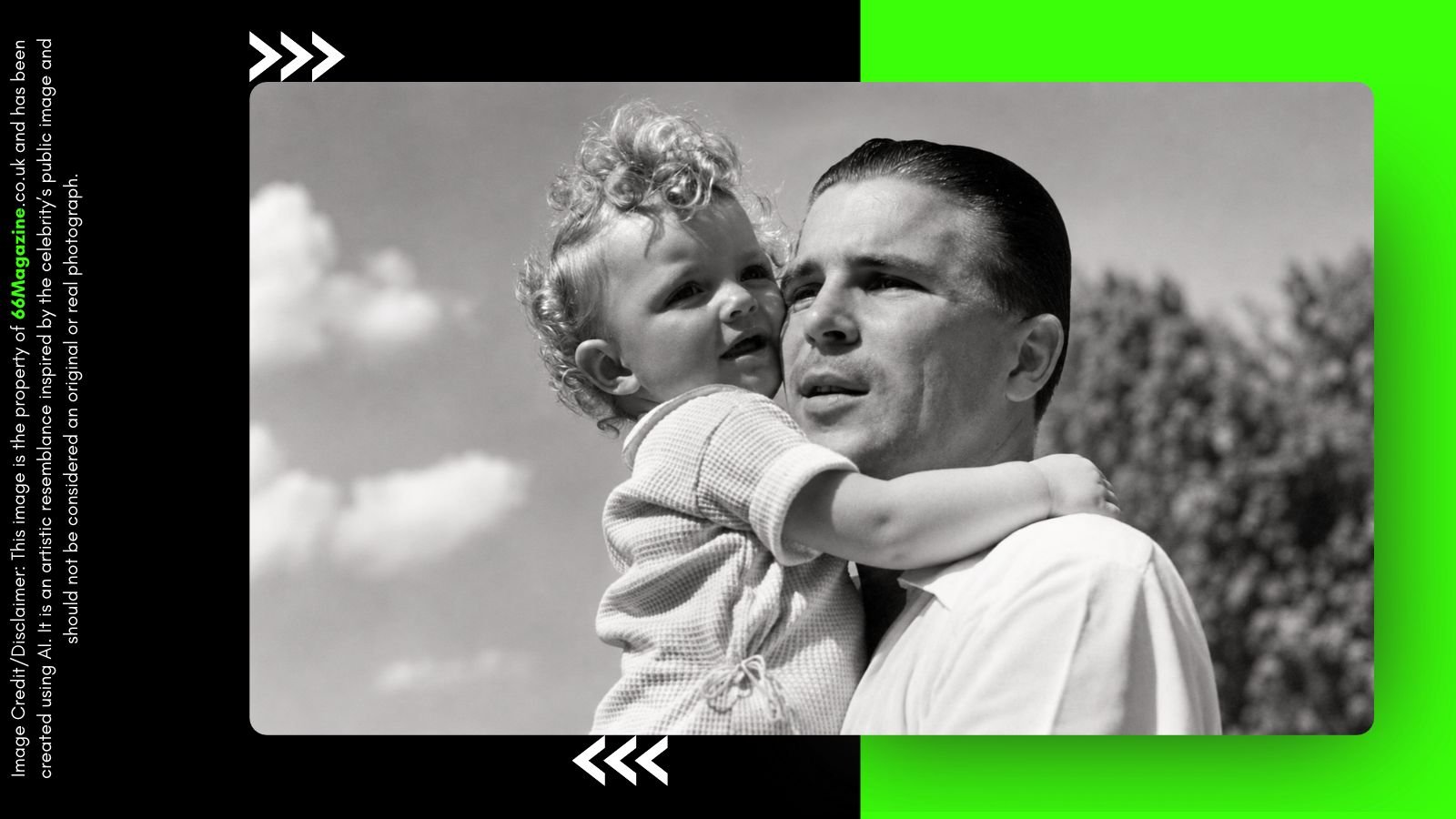
Anikó Puskás lived close to one of football’s brightest stars. Yet she chose a calm and private path. She was the only child of a global sports hero. Her life joined Hungary, Spain, football, and family love.
Her father thrilled fans in packed football grounds. Her mother gave the family strength during years of change. Their daughter saw both sides of fame. She knew its joy, but she also knew its cost.
Her story began in Hungary in 1952. War and unrest soon changed her childhood. She then grew up far from her birth country. Even so, Hungary stayed close to her heart.
Anikó Puskás Was Born in Budapest
She was born in Budapest in 1952. Public records do not give her full birth date. She entered a close home with two loving parents. She had no brothers or sisters.
Her early years came during a tense time. Hungary was under firm communist rule. Daily life could feel strict and uncertain. Still, her parents tried to build a warm home.
Her father already had a major football career. He played for Budapest Honvéd and led Hungary’s national side. Fans knew him for his fast feet and strong left foot. His fame grew across Europe.
The family lived in the Kispest area of the city. Football shaped much of their daily life. Training, matches, and team trips kept her father busy. Yet family remained at the center of his world.
Anikó Puskás and Her Famous Father
Ferenc Puskás was more than a football star. At home, he was a caring husband and father. He shared a deep bond with his only daughter. That bond remained strong throughout their lives.
He became captain of Hungary’s great national team. The side earned the name Mighty Magyars. It won the Olympic gold medal in 1952. It also reached the 1954 World Cup final.
His public image seemed larger than life. Crowds called his name in huge grounds. Yet family accounts show a softer man at home. He valued trust, warmth, and time with loved ones.
His daughter did not seek the same attention. She saw fame from a close place. This may have shaped her private way of life. She later stayed away from press events when possible.
Anikó Puskás and Her Mother’s Strong Bond
Her mother, Erzsébet Hunyadvári, came from a sports background. She played handball for a club in Kispest. That club also had ties to her future husband. Sport helped bring the couple into the same social circle.
Erzsébet married Ferenc in 1950. She was still very young at the time. Their daughter arrived two years later. The couple then built a close family of three.
Her mother offered calm support during hard years. She cared for her child while her husband traveled. His football duties often took him away from home. That made the mother and daughter very close.
Erzsébet also faced choices that carried real danger. Political events soon placed the family under great strain. She had to protect her young child. She also wanted to reunite the family.
Anikó Puskás Had a Childhood Shaped by Football
Football filled the family’s early years. Her father trained, played, and traveled for matches. His team became a strong force in Europe. His success brought public praise and state attention.
The young girl grew up around that busy world. Players and their families were part of her wider circle. Match plans could change family life with little notice. Long trips were common for top clubs.
Yet verified reports offer few details about her daily childhood. Her school in Hungary has not been made public. No firm record lists her early teachers or classmates. Her family guarded such personal facts.
This lack of detail fits her later life. She never tried to build fame from her family name. She did not give many public talks. She also kept her private records away from the press.
Anikó Puskás Left Hungary in 1956
The Hungarian Revolution began in October 1956. People called for freedom and political change. Soviet forces later crushed the uprising. Fear spread through many parts of the country.
Her father was abroad with Budapest Honvéd at that time. The club was touring Western Europe. He did not return home after the revolt failed. That choice split the family for a short but painful time.
In December 1956, Erzsébet left Hungary with her four-year-old child. They crossed the border without legal approval. The trip placed both mother and daughter at risk. Soviet troops still watched roads and border areas.
Their aim was clear. They wanted to reach Ferenc and keep the family together. It was not a simple move for work or comfort. It was an escape from a nation in crisis.
Anikó Puskás Faced an Uncertain Escape
Leaving home meant losing all that felt known. The child left her room, city, and wider family. She could not know when she might return. At four, she depended fully on her mother.
The escape also changed her legal place in the world. Hungary’s state system treated those who stayed abroad with anger. Her father faced action from football officials. His playing future soon became unclear.
The family first spent time in Austria. They later moved to Italy for a short period. These stops gave them safety, but not a lasting home. They still had to wait for the next step.
For the young girl, each move brought a new setting. The adults around her faced legal and work concerns. Her parents also had to plan their future. Through it all, they stayed together.
Anikó Puskás Began a New Life in Spain
The family later settled in Spain. Her father joined Real Madrid in 1958. This move gave the family a stable base. It also began a major new stage in his career.
Spain became the main home of her youth. She learned to live within a new culture. She also grew up around the Spanish language. Her father’s success made the family well known there.
Madrid offered a different life from postwar Budapest. The climate, food, and local customs felt new. Her parents had to adjust as adults. Their daughter had to adapt while still very young.
She did not lose her Hungarian roots. Family life kept those roots alive at home. She continued to speak Hungarian well. This skill later helped her stay close to relatives and friends.
Anikó Puskás Grew Up Beside a Football Icon
Her father soon became a star in Spanish football. He scored many goals and won major club titles. Supporters admired his skill and warm nature. His name became known far beyond Hungary and Spain.
His success gave the family a secure life. It also brought fans, press, and public events. His daughter saw how strangers treated him as a hero. At home, though, he remained simply her father.
She did not turn his fame into her own career. No verified record shows that she became an actor or public figure. She also did not seek work in sports media. Her path stayed close to home and family.
This choice made her different from many famous children. She did not sell private stories about her parents. She protected their home life from wide public view. That quiet nature became a key part of her identity.
A Life Between Spain and Hungary
Spain became her main home, but Hungary remained important. She began visiting Budapest again during her teenage years. These visits helped renew a bond broken in childhood. They also kept her close to her family’s past.
She spoke Hungarian despite growing up abroad. This mattered to her sense of home. Language helped her keep family memories alive. It also linked her daughters to their Hungarian roots later.
Her life held two strong parts. Spain gave her safety, friends, and a future. Hungary gave her roots and family history. She did not need to reject one place for the other.
This balance shaped her adult years. She built her own family in Spain. Yet she stayed proud of her father’s Hungarian story. Her later visits showed that the country still felt like home.
Anikó Puskás Married a Basque Engineer
As a young woman, she built her adult life in Spain. She met Jesus Damborena, a Basque engineer. Public accounts do not say how they first met. Their courtship also remained outside the press.
The couple married in 1973. Her father stood beside her before the wedding. A surviving family photo shows their close bond. It captures a warm moment before her new life began.
Marriage took her to San Sebastián in Spain’s Basque Country. The coastal city became an important family home. Her husband’s work gave them a life outside football. This suited her calm and private nature.
Her marriage lasted for the rest of her life. There were no public reports of a split. She and her husband raised their children together. They later shared work and family time in Benidorm.
Anikó Puskás Raised Two Daughters
The couple welcomed two daughters, Elisabeth and Réka. One daughter carried a Hungarian name. This choice kept part of the family’s past alive. It also joined their Spanish and Hungarian roots.
The girls grew up with a famous grandfather. Yet their mother kept family life quite normal. She did not place them in the public eye. Only a few family events drew wider notice.
Both daughters later had children of their own. The family welcomed three granddaughters named Maite, Ane, and Sarah. The children gave their grandmother much joy. Family reports show that she valued them deeply.
She gave her children ties to several cultures. They had roots in Hungary and the Basque Country. They also knew the story of their famous grandfather. Still, their home life did not center on fame.
Family stood at the heart of her adult years. She cared about her parents, husband, daughters, and grandchildren. Those close ties mattered more than public praise. She chose daily family life over the spotlight.
She also stayed close to both parents. Her father’s work often took him around the world. Yet distance did not weaken their bond. Reports described the love between father and daughter as special.
Her mother later returned to live in Budapest. This gave the family another link with Hungary. Visits helped the generations remain close. They also let the grandchildren learn about their roots.
No public record gives details about her private home. The family did not invite cameras into daily life. That choice deserves respect. Privacy was not a mystery for her, but a clear way of living.
Anikó Puskás Ran an Antiques Business
During her later years, she lived in Benidorm. This resort city sits on Spain’s eastern coast. She and her husband ran an antiques business there. Their shop offered a life far from football crowds.
An antiques shop deals in older items with lasting value. The work may include furniture, art, or small objects. Public reports do not list the shop’s stock. They also do not give its name or address.
The business is her only widely reported work. No sound record links her to acting or sports work. She did not build a media brand. She worked as a private business owner beside her husband.
Her personal wealth was never made public. No trusted record gives a fair net worth figure. The shop likely supported their household, but its income stayed private. Any exact money claim would lack firm support.
Anikó Puskás Stayed Away From Fame
Her father’s name opened doors around the world. She could have used that name for public gain. Instead, she lived a modest middle class life. Family accounts often note her simple nature.
She rarely spoke to the press. She did not seek television roles or paid attention. She also avoided the bright social scene around sports. Her public appearances usually had a family purpose.
This private life makes her story less detailed. Many parts of her education remain outside public records. Her height and other body details were never shared. These gaps should not invite made up claims.
What is known shows a clear pattern. She valued home, work, and close family ties. She honored her parents without copying their public lives. Her quiet choices gave her a name of her own.
Anikó Puskás Returned to Her Hungarian Roots
She began returning to Budapest while still a teen. These trips kept her bond with Hungary alive. She spoke the language with ease. Her early move had not erased her sense of home.
In 2009, she visited the Puskás Academy in Felcsút. Her daughters and granddaughters joined her on that visit. Academy founder Viktor Orbán received the family. He also showed them around the site.
She attended the Puskás Suzuki Cup final that year. The youth event honored her father’s name. Her mother also had close ties with academy events. These visits joined three family generations.
She hoped to regain Hungarian citizenship before her death. Old laws had taken that status from her. Illness stopped her from finishing the process. Yet her wish showed how strongly she still felt Hungarian.
She faced a long and serious illness near life’s end. Public notices did not name the illness. Her family kept that medical detail private. Reports focused on her death and the grief it caused.
She died in Valencia on October 19, 2011. She was 59 years old. Her husband, daughters, grandchildren, and mother survived her. Her father had died five years earlier.
Roman Catholic memorial Masses took place in three cities. One service was held in San Sebastián. Another took place in Benidorm, where she spent her last decade. Budapest also held a service in her memory.
These farewells reflected the places that shaped her life. The Basque Country was her husband’s home. Benidorm held her later work and family years. Budapest remained the city of her birth and roots.
Her Final Resting Place and Last Wish
Her family followed her wishes after her death. They scattered part of her ashes at sea. The chosen waters were near San Sebastián and Benidorm. Both places held deep meaning for her.
The family then took her urn to Hungary. It was placed in the crypt of St. Stephen’s Basilica in Budapest. Her father’s coffin rests in the same sacred place. Father and daughter were together once more.
This return carried strong meaning. She had left Hungary as a four-year-old child. Most of her life passed in Spain. Yet she wanted part of her remains taken home.
Her resting place now links her story to her father’s. Visitors often come to honor the football hero. They also meet the quieter family story beside him. It is a story of love, exile, and return.
Final Thoughts
The famous football name explains why people know her. Yet her own choices explain who she was. She was a daughter, wife, mother, grandmother, and shop owner. She found value in a life away from fame.
Her childhood carried sudden loss and great change. She left Hungary during a time of fear. Spain then gave her a safe home. Still, she kept her birth country in her heart.
Her marriage and children shaped her adult years. The antiques business gave her quiet work. Family visits kept old bonds strong. She never needed a public career to live a full life.
Her story also shows that a famous surname does not define every life. She honored the name through care, loyalty, and memory, while choosing a quieter role for herself.
Her final wish completed the circle. Part of her remained near Spain’s coast. Her urn returned to Budapest beside her father. In that way, both of her homelands became part of her rest.
Was Anikó Puskás Ferenc Puskás’s only child?
Yes. She was the only child of Ferenc Puskás and Erzsébet Hunyadvári. She was born in Budapest in 1952. No reliable family record lists any brothers or sisters.
Who was her husband?
She married Jesus Damborena, a Basque engineer, in 1973. The couple first lived in San Sebastián. They stayed married until her death and later ran a shop in Benidorm.
Did she have any children?
Yes. She had two daughters named Elisabeth and Réka. She also had three granddaughters named Maite, Ane, and Sarah. The family kept strong links with both Spain and Hungary.
What did she do for work?
Her best known work was an antiques business in Benidorm. She ran it with her husband during her later years. No reliable record shows another public career in sports or media.
When and where did she die?
Anikó Puskás died in Valencia, Spain, after a long illness. She passed away on October 19, 2011, at age 59. Her urn later returned to Budapest under her final wish.
Read: Who is Tiaura Iverson
Sports
Sydney Duncan: The Real Story Behind Her Private Life, Family Name, and Rising Volleyball Journey
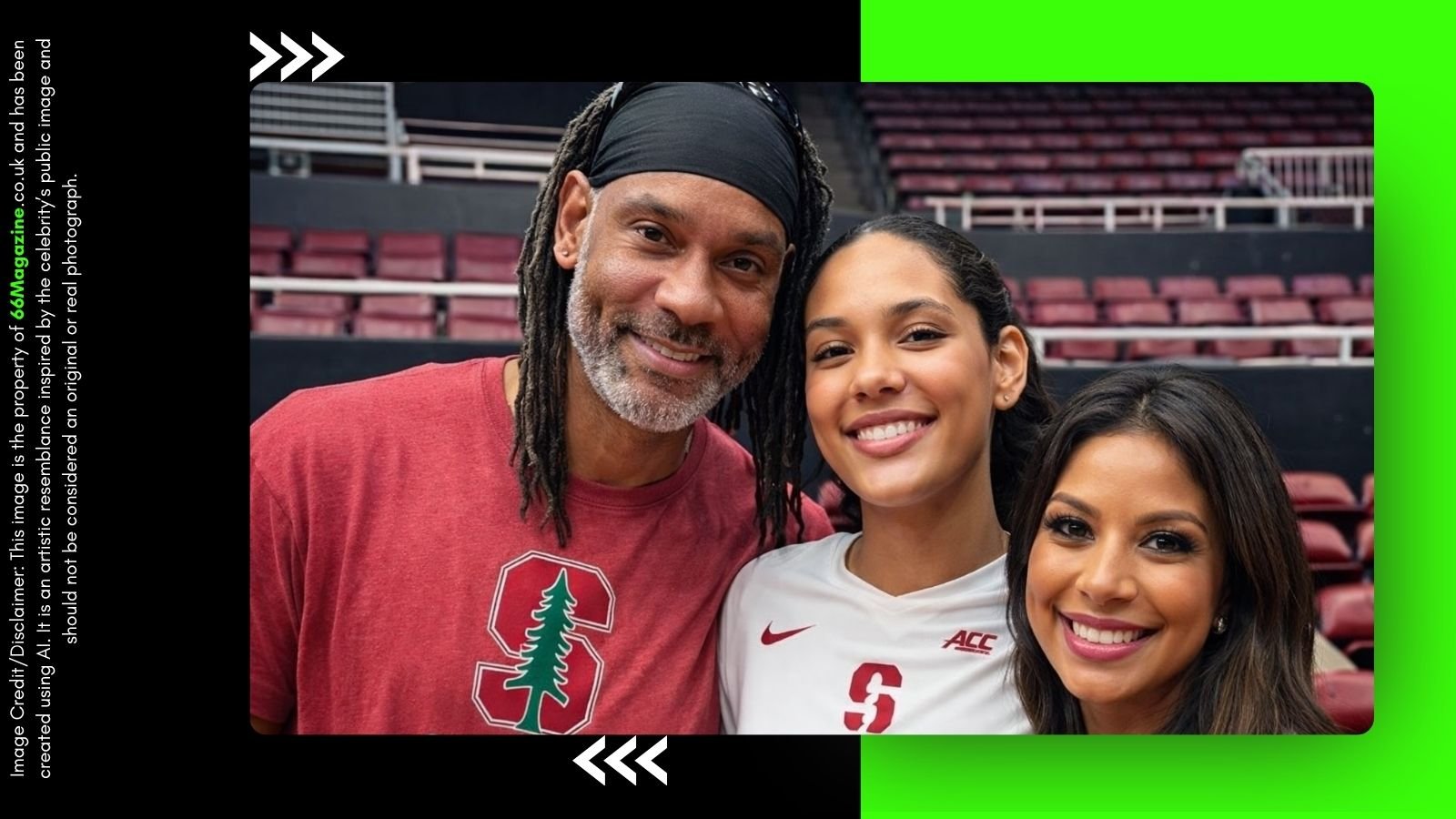
Sydney Duncan is gaining attention as a young college volleyball player with a strong athletic background and a well-known last name. She is the oldest child of Tim Duncan, the NBA Hall of Famer and San Antonio Spurs legend. But her story is not only about being the daughter of a basketball icon. It is also about her own work, her own choices, and her own place in college sports.
Her full name is given as Sidney Ione Duncan, and she was born in 2005. She grew up in San Antonio, Texas, a city closely tied to her father’s long and respected NBA career. While many people may first notice her because of the Duncan name, she has earned attention through volleyball, discipline, and steady growth as a student athlete.
In this article, we will look at her early life, family background, volleyball journey, height, position, Stanford career, and the way she is building her own identity. The goal is simple. This is a clear and human look at a young athlete who carries a famous name but is working to create her own legacy.
Who Is Sydney Duncan?
Sydney Duncan is a collegiate women’s volleyball player who plays as a middle blocker for Stanford Cardinal volleyball. She stands 6-foot-4, which makes her one of the tallest players on the team. Her height gives her a natural advantage at the net, especially for blocking, quick attacks, and defensive pressure.
She is part of Stanford’s Class of 2026 and is listed in the context as a junior. Her path has been steady rather than loud. She did not enter the public eye through interviews, celebrity events, or social media fame. Instead, she became known through school sports, team success, and her connection to one of the most respected names in basketball.
Her story is interesting because she chose volleyball instead of basketball. With her father’s background, people might have expected her to follow the same court. But she took a different road. That choice makes her journey more personal. It shows that she wants her identity to come from her own effort.
Sydney Duncan and Her San Antonio Roots
Sydney Duncan grew up in San Antonio, Texas, a city that knows the Duncan name very well. Her father spent his entire NBA career with the San Antonio Spurs, and he became one of the most loved sports figures in the city. For that reason, her childhood likely came with a unique mix of public interest and family privacy.
San Antonio is not just a hometown in her story. It is also the place where she developed as a young athlete. She attended school there and became a key volleyball player before moving on to college competition. Her high school years helped shape her confidence, leadership, and competitive style.
Growing up in a sports-minded family can bring both support and pressure. In her case, the public details suggest a quiet, focused path. She was not presented as a celebrity child trying to chase attention. She built her name through practice, team play, and results.
Sydney Duncan’s Age, Birthday, and Birthplace Details
Sydney Duncan was born in 2005, which places her among the young college athletes now entering an important stage of development. Her exact birthday is not publicly confirmed in the provided context. Because of that, it is better not to guess or add a date without a reliable public record.
Her birthplace is tied to San Antonio in public discussion, but the exact hospital or full birth location is not publicly available. What is clear is that she is strongly connected to San Antonio, Texas, through her family life, school years, and early athletic path.
For readers searching for her age, the safest answer is that she was born in 2005. Depending on the month of her birthday, she would be around 20 or 21 during the 2026 calendar year. Any more exact age should be treated carefully unless confirmed by an official team profile or public family record.
Sydney Duncan’s Parents and Athletic Family Background
Sydney Duncan is the daughter of Tim Duncan and Amy Sherrill. Her father is one of the greatest power forwards in NBA history. He played 19 seasons with the San Antonio Spurs, won five NBA championships, and earned two league MVP awards. His career became known for calm leadership, strong defense, and a team-first style.
Her mother, Amy Sherrill, also has an athletic background. She was a collegiate cheerleader at Wake Forest University, the same school where Tim Duncan played college basketball before entering the NBA. That shared Wake Forest connection is part of the family’s sports history.
Athletic ability clearly runs through the family, but that does not mean Sydney’s story is automatic. Talent can open a door, but it does not replace daily work. Volleyball requires timing, footwork, power, communication, and mental focus. Her family background may have helped build her mindset, but her growth on the court is her own.
Sydney Duncan as Tim Duncan’s Oldest Child
Sydney Duncan is the oldest child of Tim Duncan and Amy Sherrill. She has two younger siblings, Draven and Quill. Because the Duncan family has often kept a low public profile, many personal details about the children are not widely shared. That privacy has likely allowed them to grow up away from constant media attention.
Being the child of a sports legend can be both a gift and a challenge. People may compare every athletic move to the parent. They may expect greatness before a young athlete has time to develop. In this case, she appears to be handling that attention by focusing on her own sport and her own team role.
Tim Duncan became famous for his quiet strength. He did not build his public image around flash or drama. That same calm style seems to fit the way his daughter’s journey is described. She is not trying to copy his career. She is learning, competing, and building a name in a different sport.
Sydney Duncan’s Height and Middle Blocker Role
Sydney Duncan stands 6-foot-4, which is a major advantage for a volleyball middle blocker. In volleyball, the middle blocker has one of the most demanding jobs on the court. This player must move quickly from side to side, read the setter, close blocks, and be ready for fast offensive plays near the net.
Her height makes her the second-tallest player on the team, according to the provided context. That size helps her challenge hitters and create pressure at the net. But height alone is not enough. A strong middle blocker also needs timing, balance, quick feet, and the ability to react in seconds.
The position also requires trust with teammates. A middle blocker must connect with setters, defensive players, and outside hitters. When the timing works, the whole team becomes harder to stop. That is why her role is important even when the stat sheet does not tell the full story.
Sydney Duncan’s High School Volleyball Success
Sydney Duncan had a strong high school volleyball career in San Antonio. She was a four-year letterwinner, which means she earned a varsity role across all four years. That kind of consistency shows that she was not just a late bloomer. She had value to her team from early in her high school years.
She also became a team captain. That detail matters because coaches usually choose captains for more than talent. Captains must lead in practice, help teammates stay focused, and carry responsibility during difficult moments. A captain has to set the tone when the match becomes stressful.
Her biggest high school achievement came during her senior year in 2023. She helped lead her team to a TAPPS 3A State Championship. It was the school’s first state title since 1999. That kind of finish gives a young athlete confidence before stepping into college competition.
Sydney Duncan and the 2023 State Championship Moment
The 2023 state championship stands out as one of the most important early moments in Sydney Duncan’s volleyball path. Winning a state title is never easy. It takes a full roster, strong coaching, and the ability to stay calm under pressure. For a senior captain, it also becomes a defining memory.
That championship was even more meaningful because the school had not won the title since 1999. Ending a long wait gives the achievement a special place in the program’s history. It also shows that her senior class helped change the story of the team.
For a player moving on to Stanford, a championship season can be a strong foundation. It teaches what winning habits feel like. It also teaches that success comes from more than one great play. It comes from daily practice, trust, and the ability to perform when the season is on the line.
Sydney Duncan’s Move to Stanford Volleyball
Sydney Duncan committed to Stanford’s respected women’s volleyball program for the 2024 class. Stanford is one of the strongest names in college volleyball. The program has a deep history, high standards, and a long record of developing elite student athletes.
Joining a program like Stanford is not only about talent. It also requires patience. Many top recruits need time to adjust to the speed, strength, and system of college volleyball. The jump from high school to a national-level program can be huge, especially for players learning a specific role at the net.
Her move to Stanford showed that she was ready for a serious challenge. It also placed her in an environment where she could grow around strong teammates and coaches. That kind of setting can help a player sharpen skills, improve court reading, and learn how to compete at a higher level.
Sydney Duncan’s Redshirt Year and College Growth
Sydney Duncan had a redshirt freshman year before stepping onto the court more actively as a sophomore. A redshirt year can be valuable for a young college athlete. It gives time to train, study the system, build strength, and adjust without losing a full season of eligibility.
Some fans may see a redshirt year as a delay, but in college sports, it is often a smart development step. Volleyball at Stanford moves fast. Players must understand rotations, blocking schemes, offensive timing, and scouting plans. A redshirt year can help a player prepare for those demands.
Her sophomore contribution showed progress. She moved from learning the college game to helping a roster that reached the NCAA Tournament Sweet 16. That step matters because it shows she was not only present on the team. She was becoming part of the competitive picture.
Sydney Duncan’s Role With the Stanford Cardinal
Sydney Duncan plays within a Stanford roster that carries high expectations. At a program like Stanford, every role matters. Even players who are still developing can affect practices, match preparation, and team depth. A middle blocker brings value by pushing hitters, closing blocks, and bringing energy at the net.
As she continues to grow, her role may depend on matchups, training progress, and team needs. College volleyball is highly competitive, so playing time can change from season to season. What matters most for a young player is steady improvement and readiness when chances come.
Her profile suggests a player with size, discipline, and a quiet edge. Those traits fit the middle blocker position well. If she continues to develop her timing and reading of the game, she can become a more confident and useful piece in Stanford’s front-row rotation.
Sydney Duncan’s Playing Style and Strengths at the Net
Sydney Duncan brings natural size to the court, but her potential goes beyond height. As a middle blocker, she can impact the match by taking away angles and forcing hitters to adjust. A strong block can change the rhythm of a point even when it does not score directly.
Her background also suggests defensive instincts. That may come from watching a father who built much of his basketball greatness on positioning, timing, and patience. Volleyball and basketball are different sports, but both reward athletes who can read movement and react quickly.
Her quiet intensity is also part of her appeal. Not every strong athlete leads with loud emotion. Some lead through focus, body language, and steady effort. That kind of style can be very effective in volleyball, especially when the match becomes tight and the team needs calm energy.
Sydney Duncan Building Her Own Sports Identity
Sydney Duncan could have followed basketball because of her father’s history. Instead, she chose volleyball. That choice says a lot about her independence. It shows that she is not simply trying to repeat a family story. She is building a new one.
This part of her journey is important because children of famous athletes often face heavy comparisons. People may ask whether they are like their parent, whether they will reach the same level, or whether their success comes from the family name. Those questions can be unfair, especially for young athletes still developing.
Her path shows a healthier idea of legacy. A legacy does not always mean doing the same thing as a parent. Sometimes it means carrying the same values into a different field. In her case, those values appear to be discipline, patience, team focus, and competitive pride.
Sydney Duncan’s Private Life and Relationship Status
Sydney Duncan keeps her personal life private. There is no publicly confirmed information about a boyfriend, dating life, or relationship status in the provided context. Because she is a young college athlete, it is important to respect that boundary and avoid turning private matters into rumors.
Public interest can grow quickly when an athlete has a famous parent. Still, not every part of a person’s life is public information. Her volleyball career, school path, and team role are fair topics. Her private relationships should only be discussed when she shares them herself or when reliable public information exists.
For now, the most accurate answer is simple. Her relationship status is not publicly available. The stronger story is her development as a Stanford volleyball player and the way she is creating her own identity away from unnecessary drama.
Sydney Duncan’s Net Worth and Public Money Questions
Sydney Duncan’s personal net worth is not publicly confirmed. She is a college athlete, and there is no verified public record showing her personal income, endorsement deals, or financial assets. Any exact number would be guesswork, so it should not be presented as fact.
People often search for her net worth because of her father’s career. Tim Duncan earned major wealth during his NBA years, but a parent’s net worth is not the same as a child’s personal net worth. It is better to keep those topics separate.
College athletes can sometimes earn money through name, image, and likeness opportunities. However, there is no confirmed NIL figure available for her in the given context. So the fair answer is that her personal net worth is not publicly available, while her family is widely known for long-term sports success.
Final Thoughts on Sydney Duncan
Sydney Duncan is still early in her college volleyball journey, but her story already has several strong parts. She grew up in San Antonio, came from a deeply athletic family, became a high school captain, won a state championship, and earned a place at Stanford. Those steps show real commitment.
Her story also stands out because she did not choose the easy public comparison. As Tim Duncan’s daughter, basketball would have been the obvious path in many people’s minds. Instead, she chose volleyball and is learning how to make her own mark as a middle blocker.
The most interesting part of her future is not only where her stats go. It is how she grows into her role, how she handles pressure, and how she builds confidence at one of the best college programs in the country. Her name brings attention, but her effort will shape the story.
FAQs About Sydney Duncan
How old is Sydney Duncan?
Sydney Duncan was born in 2005. Her exact birthday is not publicly confirmed in the provided context, so her exact age depends on the month and day of birth. During the 2026 calendar year, she would be around 20 or 21. It is best to avoid giving a more exact age unless an official public profile confirms her full birth date.
How tall is Sydney Duncan?
Sydney Duncan is 6-foot-4. That height makes her a strong fit for the middle blocker position in volleyball. It also makes her the second-tallest player on her Stanford team, according to the provided context. Her height helps her at the net, especially when blocking, reading attacks, and finishing quick offensive plays.
Who are Sydney Duncan’s parents?
Sydney Duncan’s parents are Tim Duncan and Amy Sherrill. Tim Duncan is an NBA Hall of Famer and San Antonio Spurs legend. Amy Sherrill was a collegiate cheerleader at Wake Forest University. The family has a strong athletic background, and that sports culture is an important part of her story.
Does Sydney Duncan have siblings?
Yes, Sydney Duncan has two younger siblings named Draven and Quill. The Duncan family has kept many personal details private, so there is limited public information about the siblings. What is known is that she is the oldest child in the family.
Is Sydney Duncan dating anyone?
Sydney Duncan’s dating life is not publicly confirmed. There is no reliable public information in the provided context about a boyfriend or relationship status. Because she is a college athlete and keeps a private profile, it is best to avoid rumors and focus on her volleyball career.
You might also like: Draven Duncan: The Rising Basketball Prospect Building His Own Legacy Beyond Tim Duncan’s Fame

Morgan Patrick McDonough: Neal McDonough’s Eldest Son and His Life

Arielle Goldrath: Everything to Know About Kevin McKidd’s Former Wife

Who Is Zoe Giordano Harrelson? Woody Harrelson’s Daughter

Erica Buffett: The Private Daughter Linked to the Buffett Family’s Most Talked-About Relationship Story

Parris McBride and George R.R. Martin: the Real Love Story Behind a Fantasy Legend

Indra Nooyi’s Daughter, Preetha Nooyi: Quietly Building Her Own Corporate Identity
-
 Celebrity3 months ago
Erica Buffett: The Private Daughter Linked to the Buffett Family’s Most Talked-About Relationship Story
-
 Celebrity3 months ago
Parris McBride and George R.R. Martin: the Real Love Story Behind a Fantasy Legend
-
 Business3 months ago
Indra Nooyi’s Daughter, Preetha Nooyi: Quietly Building Her Own Corporate Identity
-

 News1 month ago
Dolores Vallelonga: The Quiet Heart Behind Tony Lip’s Famous Story
-

 Celebrity3 months ago
Flynn Belaine and Richard Pryor: Inside a Love Story Marked by Fame, Divorce, and Second Chances
-

 Celebrity3 months ago
Ethel Laverne and Lena Waithe: A Real Story of Powerful Mother-Daughter
-

 Business3 months ago
Elizabeth Ingram and Alton Brown: the Creative Love Story Fans Still Talk About
-

 Sports3 months ago
Sydney Duncan: The Real Story Behind Her Private Life, Family Name, and Rising Volleyball Journey