Blog
Taina Smits Biography: The Private Life and Career of Jimmy Smits’ Daughter

Taina Smits is best known as the daughter of award-winning actor Jimmy Smits, but her own story has very little to do with Hollywood fame. While her father built a long career on television, film, and stage, Taina chose a life centered on education. She has worked with young people, taught theater, and helped students learn how to express themselves through performance.
That difference is what makes Taina Smits interesting. She grew up close to a major actor, yet she did not build a public image around his name. Her work has taken place mostly in schools rather than studios. She has also kept most parts of her personal life away from celebrity media.
Public information about Taina is limited, and some older online profiles disagree about basic facts such as her exact birth year. Stronger records do confirm her family ties, her college years, and her work in education. As of 2026, Glasgow Middle School in Fairfax County, Virginia, lists her as a Theatre Arts teacher. A school theater program also credits her as a theater director.
Quick Facts About Taina Smits
| Detail | Information |
|---|---|
| Full name | Taina Smits |
| Also known as | Taina Smits-Beasley in some public records |
| Known for | Daughter of actor Jimmy Smits |
| Nationality | American |
| Father | Jimmy Smits |
| Mother | Barbara Smits |
| Sibling | Joaquin Smits |
| College | Duquesne University |
| College years | 1992 to 1996 |
| Early field of study | Journalism was reported in 1995 |
| Profession | Educator and theater teacher |
| Employer | Fairfax County Public Schools |
| School | Glasgow Middle School |
| Current role | Theatre Arts Teacher |
| Theater work | School theater director |
| Public profile | Private and career focused |
Who Is Taina Smits?
Taina Smits is the adult daughter of Jimmy Smits and his former wife, Barbara Smits. Her father is known for major roles in L.A. Law, NYPD Blue, The West Wing, Dexter, Sons of Anarchy, and the Star Wars world. Taina, however, did not follow him into a full-time acting career.
Her public career has developed in education. Fairfax County Public Schools lists her as a Theatre Arts teacher at Glasgow Middle School. That official role gives the clearest picture of what she does today. She works in a setting where acting, storytelling, teamwork, and student growth come together.
Taina has also been called Taina Smits-Beasley in older public material. That name has led some websites to make claims about her marriage and family. Yet there is little strong public information about her current relationship status. A careful biography should not turn a surname into a full personal story.
Taina Smits’ Age and Early Life
Taina’s exact date of birth is not clearly confirmed in strong public records. Some online biographies list 1973, while older press coverage points to a slightly later birth year. In July 1995, The Washington Post described her as Jimmy Smits’ 20-year-old daughter. Because these accounts do not fully match, an exact age should be treated with care.
What is clear is that Taina grew up during the years when her father was still building his career. Jimmy Smits was not yet the major television star he later became when he started his family. His rise to fame came through years of study, stage work, and acting jobs.
By 1995, Taina was in college and living in New York with her mother and younger brother. That same period was a major point in Jimmy’s career. He had already gained fame on L.A. Law and was becoming a key star of NYPD Blue.
Her Parents Jimmy Smits and Barbara Smits
Jimmy Smits and Barbara Smits were Taina’s parents. The pair had known each other before Jimmy became a household name. They later married and had two children, Taina and Joaquin. Their marriage ended in divorce in 1987.
Jimmy’s career continued to grow after the marriage ended. He became one of television’s most recognizable actors through roles that often mixed authority, emotion, and strong dramatic writing. His work on L.A. Law and NYPD Blue brought major attention, and later projects kept him in the public eye for decades.
Barbara built a very different career. She worked for Cornell Cooperative Extension in New York City for 29 years. Cornell reported that she began on the Ithaca campus in 1981 and moved to New York City in 1982, where she worked in youth and environmental programs and later in executive support.
Barbara died on April 16, 2010, from complications of pneumonia. She was 54. Cornell remembered her as a valued professional with warmth, humor, and a strong sense of service. That long career in education and community work forms an important part of Taina’s family story.
Taina Smits and Her Brother Joaquin
Taina has one younger brother, Joaquin Smits. Public biographies of Jimmy Smits identify both Taina and Joaquin as his children with Barbara. Joaquin was born in the early 1980s and has remained far less visible than his famous father.
In the 1995 Washington Post profile, Taina was in college while Joaquin was still in school. Both children were living in New York with their mother at the time. Their father was working in television, but family photos of both children were displayed in his trailer.
Like his sister, Joaquin has not built a public career around celebrity coverage. There is limited reliable information about his adult work or personal life. That makes it hard to write much about the siblings’ current relationship without guessing.
Education at Duquesne University
Taina attended Duquesne University in Pittsburgh. Her public professional profile lists her years there as 1992 through 1996. That places her college years during a period when Jimmy Smits was already well known on American television.
A 1995 newspaper profile said Taina was studying journalism in college. That is useful because it comes from a report published while she was still a student. Some later websites describe her degree as English and education, but the exact academic path is less clearly documented by primary records.
There is also a newer sign of continued study. In an April 2026 school theater program, Taina wrote that she was completing her final theater certification class at George Mason University. That detail shows that professional learning remained part of her work many years after college.
Taina Smits’ Career in Education
Taina Smits built a career with Fairfax County Public Schools in Virginia. Her school page identifies her as a Theatre Arts Teacher at Glasgow Middle School. This is the strongest public record of her present professional role.
Taina’s career also creates an interesting link between her parents’ worlds. Her father trained in theater and became a professional actor. Her mother spent almost three decades with Cornell Cooperative Extension, including work linked to youth programs. Taina’s own career combines education with performance.
There is no strong evidence that she tried to become a Hollywood actress and then left the industry. It is more accurate to say that her known career developed in schools. That distinction matters because many online biographies create dramatic stories that public records do not support.
Her Work as a Theater Director
Theater is not only a subject Taina teaches. She has also directed school productions. In April 2026, a Glasgow Middle School program for Beetlejuice Jr. named Taina Smits as the theater director and Dana Chodos as assistant director.
In her program note, Taina discussed the four months of rehearsal behind the musical. She wrote about watching student actors grow into their roles and bring parts of themselves into their performances. She also connected the experience with her theater certification studies.
That short note gives a more personal look at her work than most celebrity profiles do. It shows her attention was on the students, the production, and the school community. The focus was not her family name or her father’s career.
Directing a middle school musical also brings many kinds of learning together. Students practice memory, speech, movement, timing, teamwork, and problem solving. For a teacher, the final performance is only one part of the process. The daily rehearsals and student growth can matter just as much.
Did Taina Smits Follow Jimmy Smits Into Acting?
Taina did not follow the same professional route as Jimmy Smits. Her father studied theater at Brooklyn College and later earned a Master of Fine Arts at Cornell University. He then built a career in stage, film, and television. Taina moved toward education.
It would be easy to say Taina rejected Hollywood, but there is no solid public statement showing that she made such a dramatic choice. She may simply have found work that suited her interests. Her career record supports that simpler view.
Her story also shows why children of famous people should not be measured only against their parents. Taina has a different profession, different public role, and different level of exposure. Her work stands on its own even though interest in her often begins with Jimmy’s name.
Jimmy Smits’ Career and Family Influence
Jimmy Smits was born in Brooklyn in 1955 and studied theater before becoming a professional actor. His breakthrough came through television, especially his role as attorney Victor Sifuentes on L.A. Law. He later played Detective Bobby Simone on NYPD Blue, one of his best-known roles.
His career expanded into politics, crime drama, action, and science fiction. He played Matt Santos on The West Wing, Miguel Prado on Dexter, Nero Padilla on Sons of Anarchy, and Bail Organa in Star Wars projects. He also appeared in films such as In the Heights.
Long before these later roles, Jimmy was already a father. Interviews from the 1990s show that Taina and Joaquin remained part of his personal life while his career grew. The Washington Post noted family photos in his trailer during the height of his NYPD Blue success.
Taina’s own career does not depend on those credits, but her father’s theater background is still relevant. She grew up knowing someone who treated performance as serious work. Her later role as a theater educator creates a quiet family connection without making her career a copy of his.
Barbara Smits’ Career and Legacy
Barbara Smits deserves attention in Taina’s biography because her life was also built around public service and education. Cornell University reported that Barbara worked with Cornell Cooperative Extension in New York City for 29 years.
Her work included time with the 4-H Program and the Environmental Issues Program Area. In 2004, she became assistant to the executive director of Cornell Cooperative Extension in New York City. Colleagues described her as professional, generous, and deeply important to the organization.
After Barbara died in 2010, Cornell created the Barbara Smits Service Award in her honor. That recognition says a great deal about how her workplace viewed her contribution. Her career was not celebrity work, but it left a clear mark on an educational institution.
Taina’s choice to work in schools may remind readers of her mother’s service-based career. Still, no reliable source proves that Barbara directly inspired Taina to become a teacher. The safest point is that both women built careers around institutions that support learning, youth, and community life.
Taina Smits’ Private Personal Life
Taina keeps her private life largely outside public media. Some records and older online profiles use the name Taina Smits-Beasley. However, reliable current information about her spouse, marriage, or home life is limited.
Several websites also say she has children. Those claims are often repeated without strong original reporting. Because her family members are private people, names, ages, and other personal details should not be treated as confirmed unless they come from a clear public source.
Her professional location is easier to confirm than her home address. She works with Fairfax County Public Schools in Virginia, and her professional profile has connected her with the Burke, Virginia, area. That does not prove where she currently lives.
This low level of personal exposure is consistent with the rest of her public life. Taina does not appear to use her father’s fame as a personal brand. Most reliable information about her comes from school pages, professional records, and older reporting about Jimmy Smits.
Where Is Taina Smits Now?
As of 2026, Taina Smits remains connected with Glasgow Middle School and Fairfax County Public Schools. The school lists her as a Theatre Arts teacher, and the spring 2026 Beetlejuice Jr. program shows her actively directing a student production.
Her note in that program also showed that she was finishing a theater certification class at George Mason University. This suggests that she continued to develop her skills while working as an educator. It gives a useful current detail without relying on celebrity gossip.
There is no sign that Taina is trying to move into film or television. Her visible work remains tied to school theater and education. That makes her current life very different from the entertainment career that made her father famous.
For readers asking what happened to Jimmy Smits’ daughter, the answer is simple. She grew up, went to college, built a career in education, and kept most of her personal life private. Her story is quieter than Hollywood, but it is not a mystery.
Taina Smits’ Net Worth
Taina Smits does not have a reliably confirmed public net worth. Some celebrity websites publish exact dollar amounts, but those figures do not appear to come from financial filings or direct statements from Taina.
A person’s job title is not enough to calculate wealth. Salary, savings, property, debt, investments, and family finances can all change the result. Jimmy Smits’ earnings should also not be used as a shortcut for estimating his daughter’s finances.
Taina works in public education, and that is the most useful confirmed fact about her professional life. Turning that role into a supposed net worth would add guesswork to a biography that should focus on evidence.
For the same reason, readers should be careful with claims about luxury homes, inherited wealth, or private assets. There is no need to invent financial details simply because Taina comes from a famous family.
Why Taina Smits Attracts Public Interest
Most searches for Taina begin with Jimmy Smits. Fans know him from decades of television and film work, so they naturally want to learn about his children. Taina draws extra interest because she has stayed outside the normal celebrity cycle.
Her career also gives readers a clear contrast. Jimmy works before cameras and large audiences. Taina works with students in classrooms and school productions. One career brings national fame, while the other centers on daily contact with young people.
That contrast should not be turned into a claim that one path is better than the other. They are simply different. Taina’s public record shows that she built an adult identity in education while remaining linked to theater through her teaching.
Her privacy also creates curiosity, but it should be respected. Limited public information does not mean there is a hidden story. In many cases, it simply means a person has chosen a life in which work and family matter more than media attention.
Final Thoughts on Taina Smits
Taina Smits may always be introduced as Jimmy Smits’ daughter, but that label explains only part of her life. Her own career is centered on education, theater, and student development. As of 2026, she remains listed as a Theatre Arts teacher at Glasgow Middle School in Fairfax County.
Her family background is notable. Jimmy became a major American actor, while Barbara Smits spent 29 years with Cornell Cooperative Extension in New York City. Taina’s work sits in an interesting place between those two worlds, combining education with the performing arts.
She also shows why careful biography writing matters. Her exact birth date, current marriage details, children, and net worth are not all firmly documented. Repeating weak claims would make the story longer, but not better.
The confirmed story is strong enough. Taina attended Duquesne University, built a career in public education, directs student theater, and continues to develop her professional skills. She lives far from the center of celebrity culture and has created a public identity based on work rather than fame.
FAQs About Taina Smits
Who is Taina Smits?
Taina Smits is the daughter of actor Jimmy Smits and Barbara Smits. She works in education and is currently listed as a Theatre Arts teacher at Glasgow Middle School in Fairfax County, Virginia.
What does Taina Smits do for a living?
Taina works for Fairfax County Public Schools. Her official school page identifies her as a middle school Theatre Arts teacher, and a 2026 school program credits her as a theater director.
Where did Taina Smits go to college?
Her public professional profile lists Duquesne University from 1992 to 1996. A 1995 newspaper report said she was studying journalism while in college.
Is Taina Smits an actress like Jimmy Smits?
There is no strong evidence that Taina built a professional film or television acting career. Her confirmed work is in education and school theater.
Is Taina Smits married and does she have children?
She has appeared publicly under the name Taina Smits-Beasley, and some websites report that she has children. However, reliable current details about her spouse and children are limited, so those parts of her life are best treated as private.
NEXT: Read Biography of Bill Koch’s Wife Bridget Rooney

Nerwey is a modern term that has started to appear across digital, business, branding, and lifestyle spaces. It does not have one fixed dictionary meaning. Instead, people may use the name in different ways based on the setting. That open meaning gives the term room to grow and change.
The name can work as a digital identity, brand name, creative concept, or online publishing identity. Its short form also makes it easy to notice. For businesses and creators, this can be useful when they want a name that does not already carry a strict meaning.
Interest in the term has grown as more people search for fresh names online. New businesses need domain names. Creators need usernames. Digital projects need identities that people can remember. This article explains what the term means, how it is being used, and why its flexible nature may support many forms of digital branding.
What Is Nerwey?
Nerwey is best understood as a flexible modern name rather than a traditional English word. There is no widely accepted dictionary definition that gives it one clear meaning. The meaning can therefore depend on where and how someone uses the term.
In one setting, it may act as the name of an online platform. In another, it can serve as a brand identity. A creator may also use a name like this for a digital project, social account, product, or content site. This makes the term broad rather than limited.
That difference matters. A normal dictionary word already carries ideas and meanings. A newer name starts with much less baggage. A business or creator can shape the identity around its own work, values, design, audience, and goals.
This does not mean every suggested definition found online is correct. Some pages may give the name a symbolic or business meaning without firm proof. Readers should separate creative interpretations from facts that can be checked.
Why Is Nerwey Getting Attention Online?
The internet has made original names much more valuable. Millions of websites, apps, stores, social accounts, and brands now compete for attention. Common words are often already connected to established businesses or web addresses.
A fresh name offers another option. It can help a project avoid looking too similar to hundreds of other sites. It can also give creators more freedom when they develop a logo, visual style, voice, and message.
Search behavior plays a role as well. When people see an unfamiliar term, they often search for its meaning. This creates more interest around the word. Some readers want to know whether it is a brand, website, product, concept, or spelling variation.
However, online attention should not be confused with a proven history. A rise in search results does not prove that a word has one official definition. Its current value comes largely from its flexible use and growing digital visibility.
Understanding the Meaning Behind the Name
There is no verified single origin that fully explains the meaning of Nerwey. That makes it different from a word that has a known language root or a long record of use.
Instead, its meaning can develop through context. Imagine a new company choosing an original name. At first, that name may mean very little to the public. Over time, its products, customer service, design, and marketing give the name an identity.
The same process can happen with an online term. Readers may slowly connect it with certain topics based on the websites, articles, accounts, or brands that use it. Meaning develops through repeated use.
This is common in digital culture. Many modern brand names began as unusual words or created terms. What matters most is not whether a name started in a dictionary. What matters is whether users can recognize it and connect it with a clear purpose.
Nerwey as a Digital Identity
A digital identity is the way a person, project, company, or organization presents itself online. The name is often the first part of that identity.
An original word can be useful because it gives the owner more control over how people understand it. A common name may already have many meanings. A less common term offers more space for a distinct digital image.
This identity can include a website, logo, writing style, social presence, product design, and customer message. All of these parts help users understand what a name represents.
Consistency is key. A unique word alone does not create a strong identity. People need to see the same purpose and tone across different channels. When the name, content, and visual style work together, recognition becomes much easier.
A flexible term may also change with a project. It does not force a company into one narrow service. This can help when a site adds new topics or when a brand enters another part of its market.
How Nerwey Fits Modern Branding
Modern branding is about much more than choosing a logo. A brand includes the ideas, feelings, services, and experiences people connect with a name.
Nerwey fits the style of modern naming because it sounds distinct and does not carry a strict traditional meaning. That gives a brand owner room to decide what the name should represent.
For example, the same type of name could suit an information site, creative studio, software project, lifestyle label, or online service. The actual value would come from the business behind the name rather than the word alone.
A good brand name also needs clarity around it. A visitor should not have to guess what a company does after entering its website. A short description, strong headline, clear navigation, and useful content can explain the purpose.
This point is especially important for invented or uncommon words. They can be memorable, but they may need more context than familiar names. Clear communication turns an unusual name into an understandable brand.
Why Unique Names Matter in the Digital Age
Finding a usable name has become harder. Businesses must think about websites, search engines, apps, social networks, and online marketplaces. A name that works in one place may already belong to another project elsewhere.
Unique naming can reduce some of these problems. A rare term has a better chance of standing apart from common phrases. It can also make branded searches easier to identify once people know the name.
Distinct names can help with memory too. People see hundreds of company names and messages each week. Something different may catch their attention faster than a generic phrase.
But being unusual is not enough. A name should still be easy to read, type, and remember. If people constantly spell it incorrectly, finding the brand can become harder.
That is why successful digital naming often involves balance. The name should feel original without creating needless confusion. Clear branding then teaches users what the name represents.
The Role of Nerwey in Online Publishing
Online publishing gives modern names another useful setting. A content platform can build its identity around a broad title rather than a name tied to just one subject.
This approach can support several content areas. A general information site may discuss technology, business, marketing, health, lifestyle, education, travel, or other everyday subjects. A flexible name does not automatically limit that editorial range.
Still, a broad name creates its own challenge. Readers need to understand what they will find on the site. Categories, headings, descriptions, and navigation should make the purpose clear.
Content quality also matters much more than the name. Helpful articles should answer real questions. They should use clear language, sensible structure, accurate facts, and useful examples.
A publishing identity grows when readers know what to expect. The name can attract attention at first, but useful information gives people a reason to return.
Nerwey and the Business World
Businesses often need names that can grow with them. A narrow name may work during the first year but become less useful when the company offers new products or enters another market.
A flexible brand name can reduce that issue. Nerwey, for example, does not directly describe one product category. In theory, such a name could support several business directions.
This does not automatically make it a strong business. A company still needs a clear offer, reliable operations, useful products, fair pricing, and good communication.
The name is only the public label. The business model sits beneath it. Customers judge a company by what it does, not simply by how modern its name sounds.
For that reason, companies using new or abstract names should explain their value quickly. Visitors should understand the service, problem, and solution within a short time. Good branding supports a business message. It cannot replace one.
Can Nerwey Be Used as a Lifestyle Concept?
Lifestyle branding often uses broad words because lifestyle itself covers many topics. It can include personal habits, fashion, home ideas, travel, wellness, hobbies, creativity, and daily routines.
That broad field could make a flexible name useful. It can become an umbrella identity for different types of lifestyle content without forcing every article or product into one narrow theme.
However, there is no need to claim that the word has an official lifestyle philosophy. Ideas such as balance, growth, renewal, or creativity may be connected with it by individual writers or marketers, but those meanings are interpretations.
A more accurate view is simple. The name can be shaped to fit lifestyle projects because its meaning remains open. The project itself would decide what values it wants to represent.
This distinction keeps the information useful without turning marketing language into fact.
Why Flexibility Is One of Its Main Strengths
A fixed name can sometimes become a limit. Imagine a company that puts one product directly in its brand name. If it later sells something different, the old identity may no longer fit.
Flexible names avoid part of this problem. They can sit above several services, products, or content areas.
That may help digital projects because online markets change fast. A publishing website might start with technology guides and later cover business. A creative brand might begin with design and later offer software or education.
A broad identity can move with those changes. It gives the owner space to add new areas while keeping the main name.
There is also a downside. Too much flexibility can make a brand vague. If the audience cannot tell what a name stands for, it may be difficult to build trust. The solution is to keep the name flexible while making the purpose clear.
Nerwey and Search Engine Visibility
Search engines connect users with information based on their questions and search terms. An uncommon brand name can create a distinct search identity, but that does not guarantee strong rankings.
Search visibility depends on many factors. Websites need useful pages, clear structure, relevant topics, good user experience, and content that answers search intent.
A unique term may face less direct naming competition than a common phrase. That can make branded search results easier to separate from unrelated subjects. Yet broader keywords may still be highly competitive.
Content creators should therefore avoid focusing only on the brand word. They also need articles that match the questions their target readers actually ask.
If Nerwey appears as a site or publishing identity, its long term search value will depend on the quality and relevance of the material attached to the name. A keyword may bring attention, but useful content builds lasting visibility.
What Makes a Modern Digital Name Memorable?
People tend to remember names that are short, distinct, and easy to recognize. Sound can matter as much as meaning. A name does not always need an old definition to stay in someone’s mind.
Visual identity strengthens that memory. A consistent logo, font style, page design, and tone can help people recognize a brand before they even read much of the content.
Repetition also matters. When users see the same name across several useful pages, they begin to build an association with it.
The strongest association depends on experience. If a website repeatedly answers questions well, people may connect its name with useful information. If a business offers reliable service, the name can gain trust.
This explains why branding is a long process. A memorable word may open the door, but repeated positive experiences give that word value.
Challenges of Using an Unfamiliar Term
An unfamiliar name comes with clear benefits, but it also creates challenges. The first is confusion. Some readers may not know whether the word is a company, product, person, location, or spelling error.
This means new brands need good explanations. A simple tagline can help. So can a homepage that clearly states what the project offers.
Spelling can create another issue. Users who only hear a name spoken aloud may enter it incorrectly. Brands should consider this when they choose domains, social usernames, and marketing material.
Trust can also take time. Familiar words give people immediate clues. An invented word does not. The organization behind it must build meaning through its actions.
These challenges are not reasons to avoid new names. They simply show why branding requires more than choosing something original.
How Businesses Can Build Around a Flexible Identity
A company using a flexible name should begin by defining its purpose. What problem does it solve? Who does it help? Why should someone choose it instead of another option?
The answers should shape the rest of the brand. The website, content, logo, social posts, customer support, and product design should all support the same basic idea.
Consistency does not mean every message must sound identical. It means people should recognize the same core purpose across each part of the business.
A flexible identity can then expand without losing direction. New products can fit under the main brand as long as they make sense for its audience.
This approach can be useful for startups because their business plans may change during early growth. A broad name gives them some room to adjust without rebuilding their entire identity.
Is Nerwey a Person, Brand, Platform, or Concept?
This is one of the main questions surrounding the term. The safest answer is that its meaning depends on context.
There is no verified public basis for treating Nerwey as the biography of one notable person. It appears more naturally as an online name, digital identity, publishing term, or creative branding concept.
That is why articles should avoid inventing personal details such as a birth date, nationality, family, education, career history, or net worth. Such information would need a real person and reliable evidence.
The same rule applies to business claims. A writer should not invent a founder, launch year, headquarters, user count, income figure, or major partnership without proof.
Keeping those limits clear makes the topic easier to understand. Readers receive what is known while avoiding unsupported stories created only to fill gaps.
How Could Nerwey Develop in the Future?
The future of any modern name depends on how people use it. A word can remain a small search term, become connected with one website, grow into a recognized brand, or disappear as online interests change.
If more businesses and creators adopt the term, its meaning could become broader. On the other hand, one major platform could eventually become the main identity associated with it.
Its open nature gives it room to develop. That is useful in digital spaces where products and trends often change quickly.
Still, future growth cannot be guaranteed. Search interest, brand value, and public awareness change over time. A name becomes meaningful only when real activity supports it.
For now, the most practical approach is to view the term as a flexible digital identity with several possible uses rather than a word with one permanent definition.
Final Thoughts
Nerwey represents a type of naming that fits the modern internet. It is short, unusual, open to interpretation, and suitable for different digital uses. Its biggest feature is not a fixed definition. It is the freedom that comes from not having one.
That freedom can support branding, content publishing, business projects, creative work, and lifestyle platforms. A company can shape the name around its purpose instead of being limited by an old meaning.
At the same time, flexibility requires clear communication. Readers need to know what a site or brand offers. A unique name may create interest, but clear information and useful work create trust.
The term should also be discussed with care. There is no reason to invent an origin story, famous founder, personal biography, or fixed philosophy when those facts are not established. Accurate writing is more valuable than filling every gap with speculation.
As digital culture keeps creating new words and identities, names like this show how language can develop online. Their meaning can come from use rather than tradition. What the term represents in the future will depend on the people, websites, and projects that continue to use it.
Frequently Asked Questions
What does Nerwey mean?
The term does not have one widely accepted dictionary definition. It is best described as a flexible digital name that may appear in branding, publishing, business, or creative contexts. Its exact meaning depends on the project or person using it.
Is Nerwey a company or a person?
There is no reliable basis for describing it as the name of one notable person. Online, the term is more closely suited to websites, digital identities, branding, and informational projects. Readers should check the context in which they find the name.
Why is Nerwey becoming popular online?
Unusual terms often attract searches because people want to understand what they mean. Modern businesses and creators also look for short and distinct names that can help them stand apart online. These factors can increase interest around a new term.
Can Nerwey be used as a brand name?
A flexible term can work as a brand identity because it is not tied to one narrow meaning. A business would still need to check legal rights, domain availability, and existing uses before adopting any name. Strong branding also requires a clear purpose, consistent presentation, and useful products or content.
Does Nerwey have an official origin?
No single verified origin or traditional language history has been firmly established for the term. Different websites may offer their own explanations, but these should not automatically be treated as fact. Its current identity is better understood through how the name appears and is used online.

Nimedes is a digital workspace built around a simple idea. Teams should not need many separate apps to plan work, share updates, automate routine tasks, and study business data. The platform brings these functions into one connected place. This approach can make daily work easier to follow and reduce the time people spend moving between tools.
The platform combines project management, task automation, data integration, analytics, and real-time collaboration. These parts work together instead of acting like separate products. A team can plan a project, assign work, follow progress, connect useful data, and discuss changes in the same digital environment.
This guide explains what Nimedes is, how its main parts fit together, and why a unified workspace can matter for modern teams. It also looks at practical uses, workflow design, collaboration, automation, data handling, adoption, and the points a company should review before choosing any all-in-one work platform.
What Is Nimedes?
Nimedes is an advanced digital workspace designed to bring several work functions into one system. Its main purpose is to reduce fragmented work. Instead of asking users to move across many unrelated apps, the platform places common business activities in a shared environment.
Project management is one of its main parts. Teams can organize work around tasks, goals, deadlines, and shared progress. This gives managers a clearer view of what is moving forward and what may need attention. Team members can also see how their own work connects with the wider project.
Automation adds another layer. Repeated actions can take time when staff must do them by hand each day. A connected workspace can use rules and workflows to handle some of these routine steps. This may include moving work through stages, sending reminders, or triggering updates when certain conditions are met.
Data integration and collaboration complete the main concept. Business information can be connected to the workspace so teams can use current data while they work. At the same time, shared updates help people stay aligned. The goal is not simply to place more features on one screen. It is to create a more connected way to plan, act, communicate, and review results.
Why Unified Digital Workspaces Matter
The number of business apps used by a team can grow very quickly. A small company may start with email and a task list. Later, it may add chat, cloud storage, reporting tools, customer systems, automation software, and other services. Each tool may solve a real problem, but the full setup can become hard to manage.
App switching creates a hidden cost. Every change of screen asks the user to rebuild context. They must remember what they were doing, find the right record, and check whether the information is current. A few seconds may not seem important, but repeated switching can break focus across a full workday.
Disconnected tools can also create data silos. One department may keep key details in a system that another team rarely checks. Two people may then work from different versions of the same information. This can lead to repeated work, slower approvals, missed updates, and unclear ownership.
How Nimedes Supports Project Management
Project management is more than making a list of tasks. A useful system must show what needs to happen, who owns each item, when work is due, and how one step affects another. Nimedes is designed to place this information inside a central workspace so the whole team can follow progress.
A project can be broken into smaller units of work. Each item can have an owner, a status, and a place in the larger plan. This helps teams move from broad goals to clear actions. It also gives managers a simple way to spot work that is late, blocked, or waiting for a decision.
Shared project visibility can improve accountability without adding more meetings. When status changes appear in the same workspace, people do not always need to ask for basic updates. They can check the current state first and then use meeting time for problems that need real discussion.
Task Automation and Repeated Work
Many teams spend a large part of the day on small repeated actions. They send reminders, copy information between systems, update task stages, assign standard follow-up work, and prepare routine status notes. Each action may be simple, but together they can take a large amount of time.
Task automation is meant to reduce this manual load. Nimedes includes automation as part of its wider workspace model. A team can build a process in which one event leads to another action. For example, a completed task may start the next step, alert an owner, or update a related part of the workflow.
The main benefit is consistency. Manual processes depend on people remembering every small step. Automated rules can help make sure routine actions happen in the same way each time. This is useful when a process has many handoffs or when several people work across the same project.
Automation still needs careful design. A bad process does not become good just because software runs it faster. Teams should first decide which steps are stable, repeated, and easy to define. Human judgment should stay in places where context matters. Used in that way, automation can remove busywork while leaving important decisions with the people who understand them.
Data Integration in One Workspace
Work decisions depend on data, but that data often lives in many places. Sales details may sit in one system while project records live in another. Finance, operations, customer support, and marketing may all use different tools. When these systems do not connect well, staff may spend time copying numbers or checking several sources.
Nimedes places data integration at the center of its workspace idea. The aim is to connect useful information so people can view it in the same environment where they plan and manage work. This can reduce the gap between seeing a problem and acting on it.
Connected data can also improve context. A project task is more useful when the person working on it can see the information related to that task. A manager may want a current performance measure next to a project update. A team may need customer or operational data before deciding what to do next.
Integration does not mean that every piece of information should be shown to every user. Good workspace design still needs clear permissions and sensible views. Teams should connect the data that supports the job and avoid creating a crowded dashboard. The strongest setup is often the one that gives each user enough context to act without burying them in details.
Real-Time Collaboration and Team Alignment
Collaboration becomes harder when people work in different places or at different times. Important updates may be spread across email, chat threads, meeting notes, and project tools. A person joining the work later may struggle to understand why a decision was made or which version of an update is current.
Real-time collaboration in Nimedes is designed to keep work and communication closer together. When team members can see updates in the shared workspace, they have a common reference point. The project record becomes more than a task list. It can also show the current state of the work.
This shared view can support remote and hybrid teams. People do not need to sit in the same room to know what changed. A clear digital record lets them review progress when they start work. It also reduces the need to repeat basic information in several channels.
Good collaboration still depends on team habits. A platform cannot fix unclear goals or poor communication by itself. Teams need rules about where decisions are recorded, how tasks are updated, and who owns each next step. When those habits are clear, a connected workspace can make them easier to follow. Nimedes provides the environment, while the team provides the working discipline.
Analytics and Better Business Decisions
A workspace becomes more useful when it can show patterns, not just individual tasks. Managers often need to know whether work is moving at the right pace, where delays happen, and which areas need more support. Analytics can turn daily activity into information that helps answer these questions.
Nimedes brings analytics into the same general environment as project work and connected data. This matters because reports are easier to use when they sit close to the work they describe. A team can review a trend and then move directly to the related project or process.
Useful analytics should be clear and focused. A dashboard with too many numbers can slow decisions instead of helping them. Teams should choose measures that connect with real goals. That may include delivery speed, task completion, workload, process delays, or another measure that fits the type of work.
Custom Workflows for Different Teams
No two teams work in exactly the same way. A marketing group may plan campaigns and content. An operations team may track requests and handoffs. A product team may manage ideas, development work, testing, and release steps. A fixed process can become a problem when software forces every group into the same pattern.
Nimedes is presented as a customizable workspace. That idea matters because a unified platform must adapt to different work styles if it is going to replace several separate tools. Teams need room to shape views, processes, and workflows around the work they actually do.
Customization can start with simple choices. A team may define its own task stages, labels, fields, and project structure. More advanced workflows may use connected data and automation. The aim should be to make the system reflect a clear process, not to add complexity for its own sake.
There is also a balance to keep. Too little flexibility can make a platform feel restrictive. Too much freedom can create a different setup for every person and make reporting harder. Companies often get better results when they create a shared base model and allow limited changes for each team. That keeps the workspace useful while preserving common standards across the organization.
How Nimedes Can Reduce App Switching
App switching sounds like a small issue until it becomes part of every task. A worker may read a message in one tool, open a project board in another, search for a file in a third, and then check a dashboard somewhere else.
Nimedes addresses this by bringing related work into one digital environment. A person can move from a project item to its supporting information without rebuilding the full context in another app. This can make common workflows feel more direct.
Reducing switching may also lower the chance of missing information. When project status, data, and team updates are connected, people have fewer places to check before they act. New team members can also have an easier time learning where work is stored because the structure is more consistent.
Who May Benefit From Nimedes?
Nimedes can make sense for teams that feel the strain of fragmented work. A growing company may reach a point where its early collection of tools no longer feels simple. Staff may spend more time finding updates, moving data, and keeping systems in sync. A central workspace can help bring more order to that stage of growth.
Project-based teams are another clear use case. They need to track ownership, deadlines, status, and shared information. When these details are scattered, project leaders may spend too much time collecting updates. A connected platform can give them a clearer working view.
Remote and hybrid groups may also benefit. Their work depends on strong digital records because not everyone shares the same office or schedule. A common workspace can show what changed while someone was offline and reduce the need for constant live meetings.
The platform may also appeal to organizations that want more automation without building a separate system for every process. Yet fit should be judged by real needs, not by the number of features. A very small team with a simple workflow may already have enough with basic tools. Nimedes becomes more relevant as coordination, data flow, and process complexity increase.
Limits and Questions to Review Before Adoption
A unified workspace can solve many problems, but adopting one also creates important questions. The first is migration. Teams may already have years of tasks, files, records, and habits stored in other tools. Moving to a new platform requires planning so useful data and context are not lost.
The second issue is process design. Combining work into one system can expose weak or unclear workflows. That may be useful, but it also means the company must decide how work should move before it tries to automate everything. A platform can support a process, but it cannot make unclear ownership disappear on its own.
Security and access also deserve careful review. Any workspace that connects important business data needs clear controls. A company should understand how permissions, data handling, account security, backups, and compliance needs fit its own risk level. These checks matter for any digital workspace, not only Nimedes.
Teams should also review product details that affect daily use, such as pricing, support, integration coverage, export options, onboarding, and feature limits. Public descriptions explain the broad platform concept, but buyers should verify current product terms before making a decision. A good fit depends on how the actual service matches the company’s tools, budget, and workflow needs.
A Practical Way to Introduce Nimedes
A large software change is easier to manage when the team starts with a clear problem. Instead of moving every process at once, a company can choose one workflow that causes repeated friction. This may be a project handoff, approval flow, reporting cycle, or another process that currently uses several tools.
The team can then map the current steps. It should note who owns each action, what data is needed, where delays occur, and which repeated tasks could be automated. This creates a useful baseline. It also prevents the new workspace from simply copying an old, inefficient process.
Next, the team can build a small version of the workflow in Nimedes. Users should test it with real work and record what feels clear or confusing. Feedback from the people doing the job is important because managers may not see every small step in the daily process.
After the pilot works well, the company can expand in stages. It can connect more data, automate stable steps, and add other teams when there is a clear reason. This approach reduces disruption and gives people time to learn. It also makes success easier to measure because the company can compare the new workflow with the old one.
Nimedes and the Future of Connected Work
Digital work is moving toward greater connection. Companies still need specialist tools, but they also need a clear layer that ties tasks, data, communication, and decisions together. Without that layer, growth can produce more software but not always better coordination.
Nimedes fits this wider shift by treating the workspace as a connected system rather than a single-purpose app. Project management gives work structure. Automation reduces repeated steps. Data integration adds context. Collaboration keeps people aligned. Analytics helps teams review what is happening and decide what to improve.
The strongest part of this model is not any one feature. It is the way the parts can support each other. A status change can affect a workflow. A workflow can update data. New data can appear in a dashboard. A team can then discuss the result in the same working environment. That connection is the main promise of a unified workspace.
For organizations, the key question is simple: does the platform make work easier to understand and move forward? If Nimedes reduces needless tool switching, keeps information connected, and gives teams a clearer view of responsibility and progress, it can serve a practical role in modern digital operations.
Final Thoughts on Nimedes
Nimedes is built around the idea that modern work should feel connected. Its core model combines project management, task automation, data integration, analytics, and real-time collaboration in one digital workspace. The aim is to reduce the friction that grows when teams depend on many separate tools.
That approach can help companies create clearer workflows. People can see tasks, related information, and team updates in the same environment. Managers can follow progress without collecting every update by hand. Automation can handle stable routine steps, while connected data can give teams more context when they make decisions.
The platform is most relevant when work has become hard to coordinate across systems. Growing teams, project-based groups, remote workers, and organizations with repeated
More Related Content:
EO PIS: Enterprise Operations Process Information System
Babeltee: Everything to Know About the Trending Tea Term
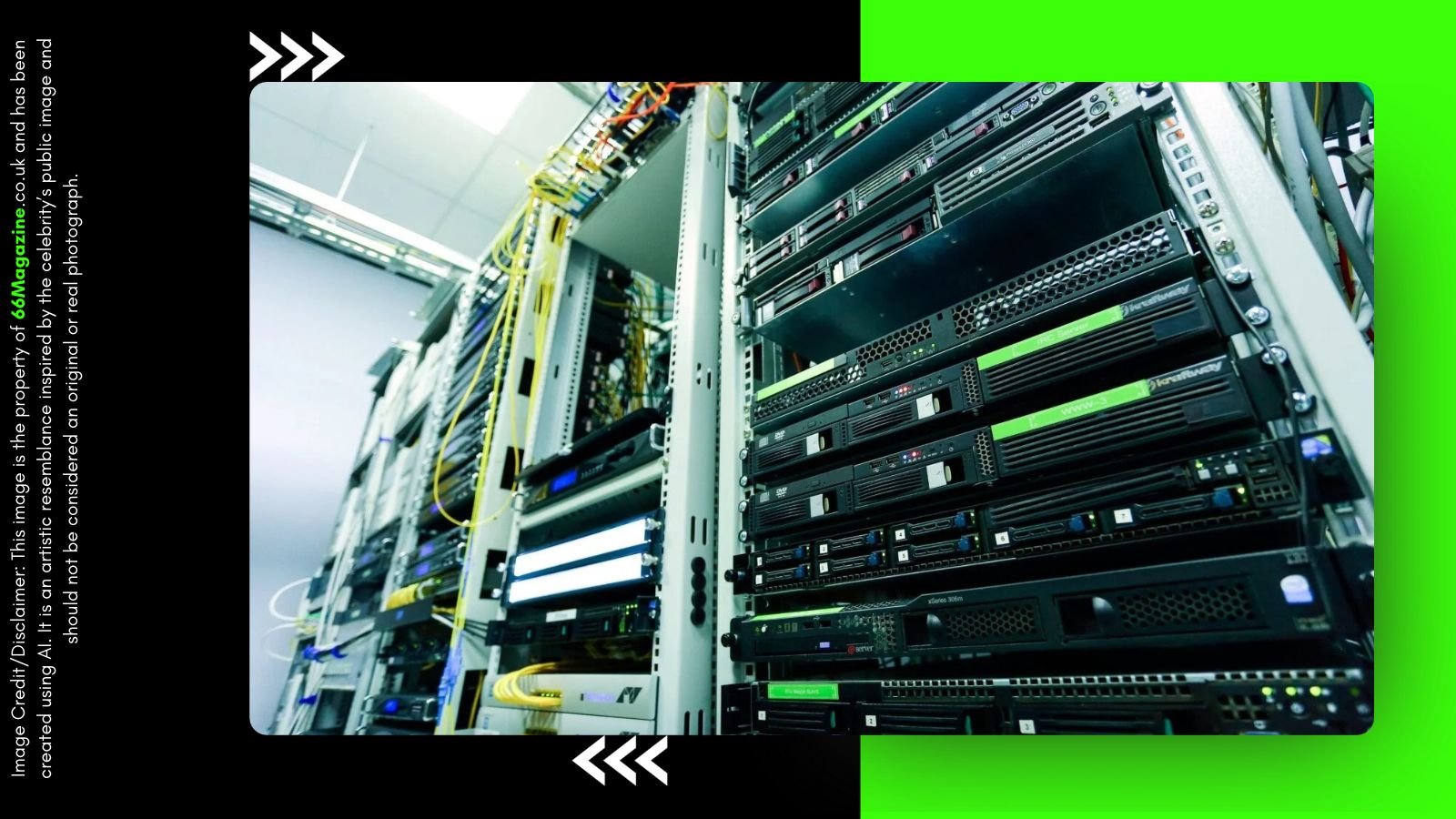
EO PIS is a term that now appears in articles about business data, operations, reporting, and executive dashboards. In many of those sources, it means Enterprise Operations Process Information System. Other sources use Executive Operations Performance Indicator System or a close variation. The name is not a formal global standard, so the exact expansion can change by source. The shared idea is much clearer: it describes a system or framework that brings useful operating data into one place so leaders can track results and make better choices.
Modern companies create large amounts of data each day. Sales teams record leads. Finance teams track costs. Service teams log support work. Plants measure output, waste, and downtime. When these numbers sit in separate tools, managers may struggle to see the full picture. A central performance system can connect those numbers and show which areas are healthy, which are falling behind, and which need fast action.
This guide explains the business meaning of EO PIS in simple terms. It covers how the model works, what data it may include, how dashboards and KPIs fit into it, and what benefits or limits a company should expect. It also explains why data quality, clear goals, and good governance matter more than flashy charts. The goal is not to promote one product. It is to explain the concept in a useful and realistic way.
What Does EO PIS Mean?
There is no single official expansion accepted across the business world. One current source uses Enterprise Operations Process Information System. Other sources describe it as Executive Operations Performance Indicator System or Enterprise Operations Performance Information System. That difference matters because readers should not assume the acronym names one certified software platform or one accepted management method.
Even with the naming problem, the common business idea is easy to understand. The term usually points to a digital framework that gathers operational data, turns that data into useful measures, and presents the results to managers. It may work through a dashboard, a business intelligence tool, an internal portal, or a group of linked systems.
The core purpose is visibility. Leaders want to know what is happening without waiting for several teams to build separate reports. A well-designed system can give them a shared view of performance and help them connect daily work with larger company goals.
Why Businesses Need a Central Performance View
A company can have good data and still make weak decisions. The problem often comes from fragmentation. One department may use a spreadsheet. Another may use an enterprise resource planning system. Sales may work inside a customer relationship management platform. Support may rely on a ticket tool. Each system tells only part of the story.
A central performance view reduces that gap. It does not always replace those tools. Instead, it can pull selected data from them and present the most useful measures together. That gives managers a common set of facts.
This matters when teams depend on each other. A sales increase may look positive, but it can create pressure on stock, delivery, staffing, and cash flow. A shared operations view helps leaders see those links. It also makes review meetings more focused because teams can discuss the same numbers instead of debating which report is correct.
How an EO PIS Framework Works
A typical EO PIS framework starts with data collection. The business chooses which systems contain useful information. These may include finance, sales, inventory, production, service, human resources, or project tools. Data can move into the performance layer through direct links, scheduled imports, or manual updates.
The next step is organization. Raw records are not enough. The company defines measures, labels, time periods, owners, and targets. It may also add rules for how a metric is calculated. This helps prevent two teams from using the same KPI name with different formulas.
The final step is presentation and review. Leaders see selected information through charts, scorecards, alerts, or summary pages. Strong systems also support drill-down views, so a manager can move from a high-level warning to the records behind it. The technology matters, but the review process matters just as much.
The Role of KPIs in the System
Key performance indicators, or KPIs, are central to this type of system. A KPI is a measure linked to an important goal. Revenue growth, on-time delivery, product defects, customer churn, order cycle time, and operating margin are common examples. The right KPI depends on the company and its goals.
An EO PIS should not become a wall of numbers. A dashboard with too many measures can create noise instead of clarity. Leaders need a small set of indicators that show whether the business is moving in the right direction. Teams can still keep detailed metrics below that level.
It also helps to mix lagging and leading indicators. A lagging indicator shows what already happened, such as monthly revenue. A leading indicator may give an early signal, such as qualified pipeline, machine temperature, or late supplier orders. Together, both types can support faster and more balanced decisions.
Dashboards and Data Visualization
Dashboards are often the most visible part of a performance information system. They turn tables of data into charts, cards, trends, and alerts that are easier to scan. A good dashboard answers a clear question. It does not try to display every fact the company owns.
For executives, the first screen may show a few company-wide measures. These can include sales, cost, service levels, cash, risk, output, or customer results. A department view may then show more detail for finance, operations, sales, or support.
Design should stay simple. Color, icons, and charts should have a clear purpose. A manager should be able to see whether a number is on target, moving in the wrong direction, or missing data. The best dashboard is not the one with the most graphics. It is the one that helps a user notice an issue and decide what to do next.
Data Quality Comes Before Automation
Automation can save time, but it cannot fix weak source data by itself. If a sales system has duplicate records, or a plant records downtime in different ways, the dashboard may produce a clean-looking but misleading result. That is why data quality must come before trust.
A company should define where each metric comes from and who owns it. It should also set rules for missing values, late updates, duplicate records, and changes to formulas. These controls make reports easier to audit and explain.
Data quality work may seem slow at first. Yet it often creates the biggest long-term gain. Teams spend less time arguing about numbers and more time acting on them. Reliable data also makes automation safer. When the inputs are stable, scheduled reports, alerts, forecasts, and other tools can work with fewer errors.
Main Business Benefits
The first major benefit of EO PIS is faster access to useful information. Managers no longer need to wait for several files to arrive before they can review performance. A shared dashboard can reduce manual reporting and make routine checks quicker.
The second benefit is better alignment. When teams see the same targets and definitions, they can connect local work with wider business goals. A warehouse team may see how delivery speed affects customer service. Finance may see how stock levels affect cash. Sales may see how discounts affect margin.
A third benefit is earlier problem detection. Trends and alerts can reveal a change before it becomes a large issue. The system can also improve accountability because each important measure can have an owner. Still, these gains are not automatic. They depend on good metric design, reliable data, and a clear review process.
Where EO PIS Can Be Used
The concept can fit many sectors because most organizations need some form of performance tracking. In manufacturing, a system may watch output, defects, downtime, energy use, safety events, and delivery. A manager can then compare plants, shifts, lines, or products.
In retail, leaders may focus on sales, stock, returns, store traffic, order speed, and margin. In logistics, the main measures may include on-time delivery, route cost, damage, fuel use, and warehouse cycle time. Service companies may track response time, backlog, customer satisfaction, labor use, and contract results.
Healthcare, education, public services, and nonprofit groups can also use performance information systems, but their measures may focus less on profit. They may track access, service quality, outcomes, budgets, wait times, or program reach. The framework must match the mission.
How EO PIS Differs From Traditional Reports
Traditional reports often look backward. A team gathers data at the end of a week or month, builds a file, and sends it to managers. That process can work well for formal reporting, but it may be too slow for daily operating decisions.
EO PIS is usually described as a more connected approach. It can combine data from several functions and update measures more often. It may also include alerts, target tracking, filters, and drill-down tools. That makes it easier to move from a summary to the cause of a problem.
The difference is not that old reports are useless. Many firms still need monthly statements, audit files, and fixed reports. A performance system adds another layer. It supports ongoing management by making selected information easier to see and act on. In practice, companies often use both approaches together.
Steps for Building a Useful System
Start with business goals, not software. Leaders should decide what they need to improve, protect, or understand. Examples include delivery speed, margin, customer retention, quality, safety, or cash flow. This keeps the project tied to real decisions.
Next, choose a limited set of measures. Give each KPI a clear definition, formula, source, owner, target, and update schedule. Then check whether the required data is reliable. Fix major gaps before building complex views.
After that, design a simple dashboard for each user group. Executives may need a summary. Department managers may need more detail. Test the screens with real users and remove anything that does not help a decision.
Finally, set a review routine. Decide who checks the measures, how often teams meet, what happens when a target is missed, and how actions are recorded. A system creates value when people use its information to manage work.
Common Implementation Problems
One common problem is metric overload. Teams often add every measure they can find because the data is available. The result is a crowded dashboard with no clear priority. Limiting the first view to the most important indicators can solve much of this issue.
Another problem is poor ownership. A KPI can become useless when no one knows who must explain a change or fix the source data. Every key measure should have a business owner and, when needed, a technical data owner.
A third problem is low trust. If people find errors, they may return to private spreadsheets. Clear definitions, source checks, and visible correction processes help rebuild confidence. Companies should also avoid treating the system as a surveillance tool. Performance data should support better management, not create fear or encourage teams to hide problems.
Security, Privacy, and Access Control
A central dashboard may contain sensitive business information. It can include revenue, payroll trends, customer data, supplier performance, production results, or staff measures. That makes access control an important part of system design.
Users should see only the data they need for their role. Senior leaders may need company-wide figures, while a local manager may need only one region or site. Strong systems also keep logs of access and changes. These records can help with audits and investigations.
Privacy rules matter when dashboards use personal data. A business should collect only what it needs, keep records for an appropriate period, and follow the laws that apply to its location and sector. Security should also cover data transfers, backups, user accounts, and third-party tools. A useful dashboard is not worth the risk of weak data protection.
Can AI Improve an EO PIS?
Artificial intelligence can add useful features, but it should not replace basic controls. AI may help detect unusual patterns, group large sets of records, create forecasts, or summarize changes in plain language. It can also help users search data with natural questions.
The value depends on the quality of the underlying information. A prediction built on weak or biased data can mislead managers. The company also needs to know which decisions are safe to support with automation and which require human review.
For many firms, the best starting point is modest. Use AI to flag an unusual change, explain a trend, or suggest where a manager should look next. Keep the source numbers visible. Let people verify important results. This makes AI a support layer rather than a black box that decides what the business should do.
How to Measure Whether the System Works
A performance platform should be measured like any other business investment. One useful test is reporting time. If teams used to spend many hours collecting and cleaning files, the new process should reduce that burden.
Another test is data trust. Leaders should ask whether teams use the shared measures in meetings and decisions. If people still bring separate spreadsheets, the system may have a definition, quality, or adoption problem.
Decision speed is another useful measure. A company can track how long it takes to notice a problem, assign an owner, and complete an action. It can also review whether key business outcomes improve over time. The dashboard itself is not the goal. Better control, clearer action, and stronger results are the real goals.
The Future of Performance Information Systems
Performance systems are likely to become more connected and easier to use. More companies now expect data to update quickly and move across cloud tools. Users also want answers without learning complex query languages. This will push vendors and internal teams toward simpler search, alerts, and guided analysis.
AI will likely play a larger role in summaries and forecasting. Yet strong data governance will remain essential. Companies will still need clear metric definitions, trusted sources, access rules, and human review. New technology does not remove those needs.
The name EO PIS may also remain flexible because it is not a standard industry term. Some firms may use other labels such as business intelligence, operations dashboard, performance management system, executive scorecard, or operational analytics. The label matters less than the design. A strong system connects reliable data to real decisions.
Final Thoughts
EO PIS is best understood as a broad business performance concept rather than one official software product. Current sources use different expansions for the acronym, which is why a careful definition should mention that variation. In most business uses, the idea centers on bringing operational data, KPIs, and management views into one connected framework.
The strongest version starts with clear goals. It uses trusted data, simple measures, useful dashboards, and firm ownership. It gives leaders enough detail to spot problems without flooding them with numbers. It also creates a routine for action after a warning appears.
Technology can make the process faster, but software alone cannot create good management. Companies still need sound judgment, clear roles, accurate data, and honest review. When those pieces work together, a performance information system can reduce reporting work, improve visibility, and help teams act with more focus.
What is EO PIS in simple words?
EO PIS usually refers to a business performance or process information framework that gathers important operational data and shows it in a useful form. Depending on the source, the acronym may be expanded in different ways. The common purpose is to help managers see key results, track KPIs, and make faster decisions from a shared set of information.
Is EO PIS a specific software product?
Not necessarily. Current public sources use the term as a general framework or concept, and they do not point to one globally recognized product with a single official definition. A company could build a similar system with business intelligence software, dashboards, data tools, or a custom internal platform.
What types of data can the system track?
It can track many kinds of business data. Examples include sales, cost, cash, production, stock, quality, delivery, service, staffing, risk, and customer measures. The best set depends on the organization. A useful system selects the measures that support real goals instead of collecting every available number.
What is the difference between EO PIS and KPIs?
KPIs are individual measures that show progress toward important goals. EO PIS describes the wider system or framework that can collect, organize, compare, and present those measures. In simple terms, KPIs are the signals, while the performance information system is the structure that brings those signals together for review and action.
What should a company do before adopting this approach?
It should first define its goals and decide which decisions need better data. Then it should choose a small number of clear KPIs, check the quality of the source data, assign owners, and build simple views for the right users. Starting with business needs helps prevent an expensive dashboard project that looks impressive but solves little.
MORE: Babeltee: Everything to Know About the Trending Tea Term

What is Nerwey? Read About its Growing Online Presence

Nimedes: Explore About the Unified Digital Workspace

EO PIS: Enterprise Operations Process Information System

Erica Buffett: The Private Daughter Linked to the Buffett Family’s Most Talked-About Relationship Story

Parris McBride and George R.R. Martin: the Real Love Story Behind a Fantasy Legend

Indra Nooyi’s Daughter, Preetha Nooyi: Quietly Building Her Own Corporate Identity
-
 Celebrity3 months ago
Erica Buffett: The Private Daughter Linked to the Buffett Family’s Most Talked-About Relationship Story
-
 Celebrity3 months ago
Parris McBride and George R.R. Martin: the Real Love Story Behind a Fantasy Legend
-
 Business3 months ago
Indra Nooyi’s Daughter, Preetha Nooyi: Quietly Building Her Own Corporate Identity
-
 News1 month ago
Dolores Vallelonga: The Quiet Heart Behind Tony Lip’s Famous Story
-

 Celebrity3 months ago
Flynn Belaine and Richard Pryor: Inside a Love Story Marked by Fame, Divorce, and Second Chances
-

 Celebrity3 months ago
Ethel Laverne and Lena Waithe: A Real Story of Powerful Mother-Daughter
-

 Business3 months ago
Elizabeth Ingram and Alton Brown: the Creative Love Story Fans Still Talk About
-

 Sports3 months ago
Sydney Duncan: The Real Story Behind Her Private Life, Family Name, and Rising Volleyball Journey